
The Apartment Guitarist's Gear Guide: Great Tone Without the Volume
The dirty secret of guitar tone is that the classic sounds were made by big amps moving serious air, and you live somewhere with neighbors. The good news: this is the best time in history to be a quiet guitarist. The modeling technology that used to sound like a bee in a can is now legitimately good, and there are more paths to a great bedroom tone than ever.
Here are the four realistic setups, in rough order of cost.
Setup 1: Straight into your computer ($0 to $140)
If you already own an audio interface for recording, you own an amp. Plug the guitar into the instrument input and run free amp-sim software: most DAWs include amp models, and the stock amps in GarageBand and Reaper get you usable tones tonight. (No interface yet? Our sister site MusicWide covers that side, starting with the budget home studio guide.)
The tradeoff is friction. Booting a computer to noodle for ten minutes is how practice streaks die. This setup is best if your playing time is already at the desk.
Setup 2: The headphone amp ($30 to $250)
Devices you plug straight into, no computer involved. At the cheap end, plug-style units like the Fender Mustang Micro (about $100 to $120) hang off the guitar itself and sound far better than they have any right to. At the serious end, desktop units and headphone-first modelers give you dozens of amps and effects in a box the size of a paperback.
This is the highest practice-hours-per-dollar category for most apartment players. Zero setup time means you actually play.
Setup 3: The desktop modeling amp ($100 to $350)
A small speaker in the room still beats headphones for feel, and modern desktop modelers (the Boss Katana line, Positive Grid Spark family, Yamaha THR series) are designed exactly for this: real amp character at conversation volume, with a headphone jack for after 10pm. We compare the two most popular head-to-head in Katana vs Spark.
Two honest notes. First, “bedroom volume” on a 50-watt Katana is still louder than you think through a shared wall; the smallest models in each line are the apartment picks. Second, these amps sound their best at low volume by design, which a tube amp fundamentally does not.
Setup 4: The low-watt tube amp (mostly skip it)
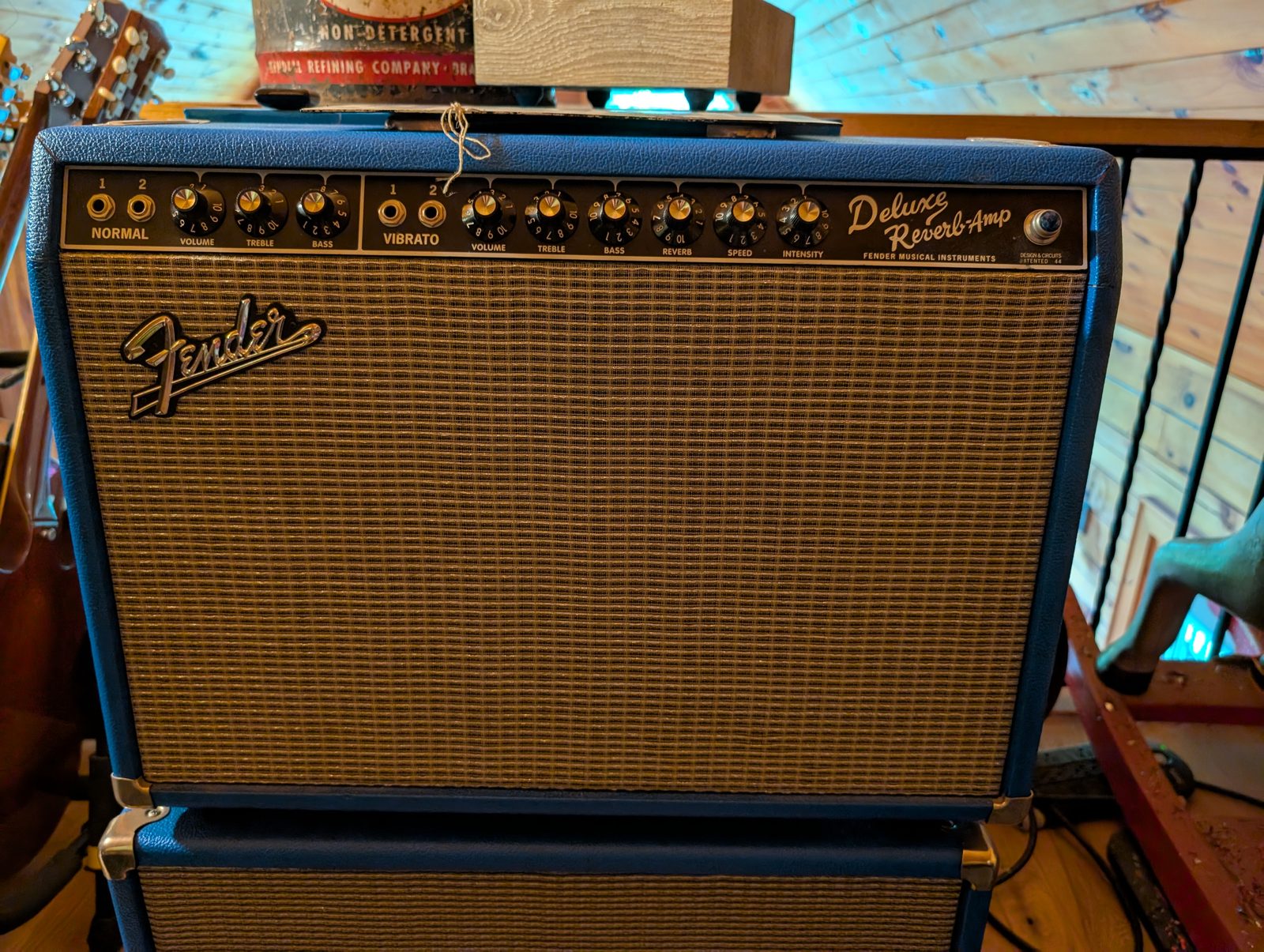 The author’s Fender Deluxe Reverb. Glorious, and still too loud for your neighbors before it starts sounding like this photo looks.
The romantic option. The 5-watt tube amp seems like the apartment answer until you learn that 5 tube watts is loud enough to upset neighbors two floors away, and that tube amps sound like tube amps only when working hard. At true apartment volume, a $600 tube amp usually sounds worse than a $200 modeler. Unless you can genuinely crank it sometimes, spend the difference on a better modeler or more guitar. (If you’re weighing a combo against a separate head and cab for this setup, the honest tradeoffs are here, though for apartment volumes specifically, the format matters less than the watts.)
What about pedals?
Pedals still make sense in setups 2 and 3 (run them in front, most modelers take pedals fine), but hold off on building a board until you know which sounds you reach for in the modeler. The modeler’s built-in effects will teach you, for free, whether you’re actually a delay person or just thought you were. When you do start a board, read the pedal order guide first so you buy in the right sequence.
The honest recommendations
| You are | Buy | Rough cost |
|---|---|---|
| Already recording at a desk | Use your interface + free amp sims | $0 |
| A grab-and-play practicer | Mustang Micro or similar headphone unit | ~$100 to $120 |
| Wanting sound in the room | Smallest Katana / Spark / THR | ~$170 to $250 |
| Dreaming of tubes | A modeler now, tubes when you have a garage | see above |
The pattern across all of these: at apartment volume, modeling wins on sound, cost, and neighbor relations. Buy the setup that gets the guitar in your hands the most minutes per week. That’s the one that makes you better.
Keep reading
-
Class A vs Class AB Tube Amps: What Actually Changes in the Tone
The real difference between Class A and Class AB power amp designs, why Class A breaks up earlier and sweeter, and why the higher spec number on the AB amp doesn't mean it wins.
-
Budda Superdrive Review: The Most Underrated Amp on the Planet (I Own Three)
A long-term owner's review of the Budda Superdrive SD18, SD30, and SD80: the Plexi-meets-Dumble sound, why the world overlooked it, and how to buy one used.
-
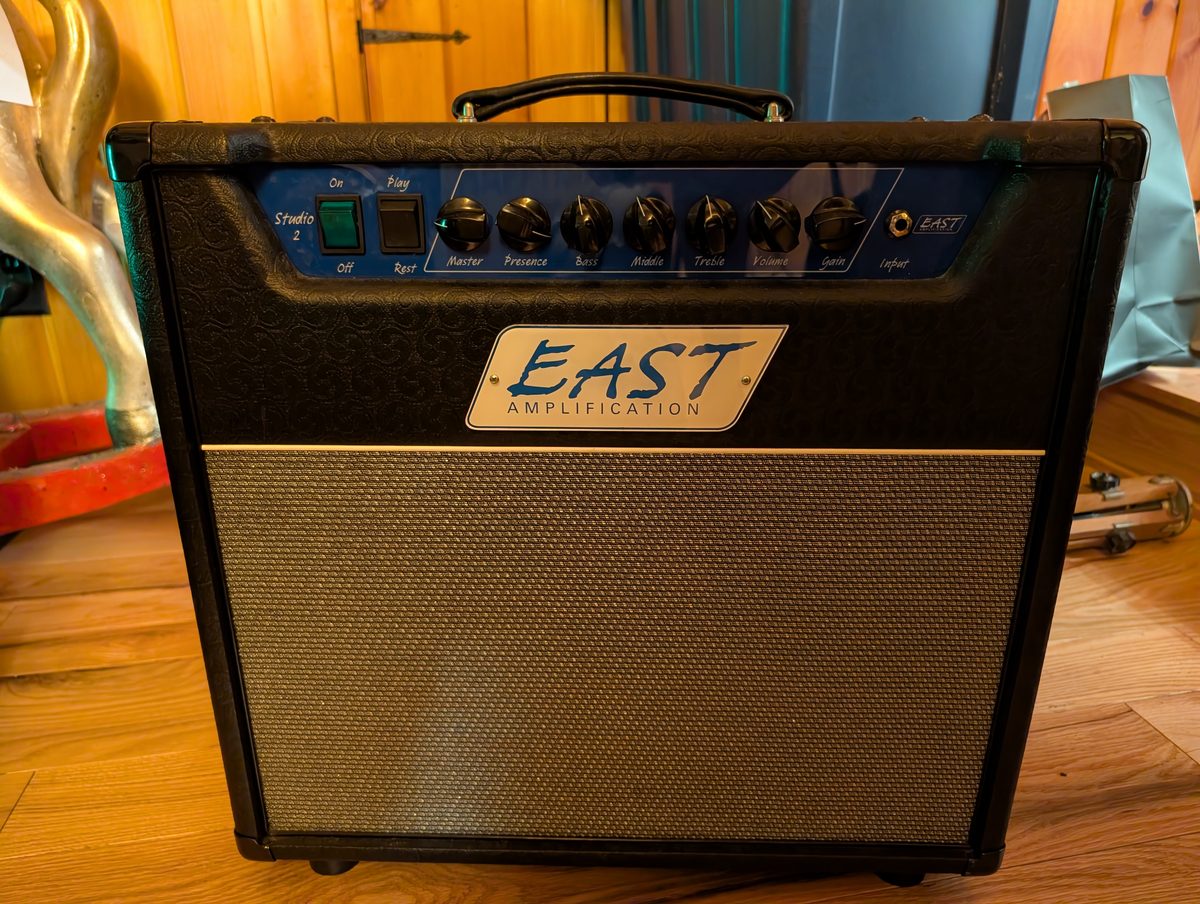
EAST Studio 2 Review: Jeff Bober's Next Chapter, Owned Early and Recorded Often
A long-term Budda Superdrive owner reviews the EAST Amplification Studio 2: the lineage, the thicker-throatier voice, and why it became the recording amp of the house.