
Fender Brad Paisley Telecaster Review: Paulownia, a Spruce Cap, and a Second Purchase

I own two of these. That's the review, before I've written a word of it: I bought the first one, lived with it, and then went and bought a second one on purpose, which is not something I do with gear I have mixed feelings about.
The body is the whole story
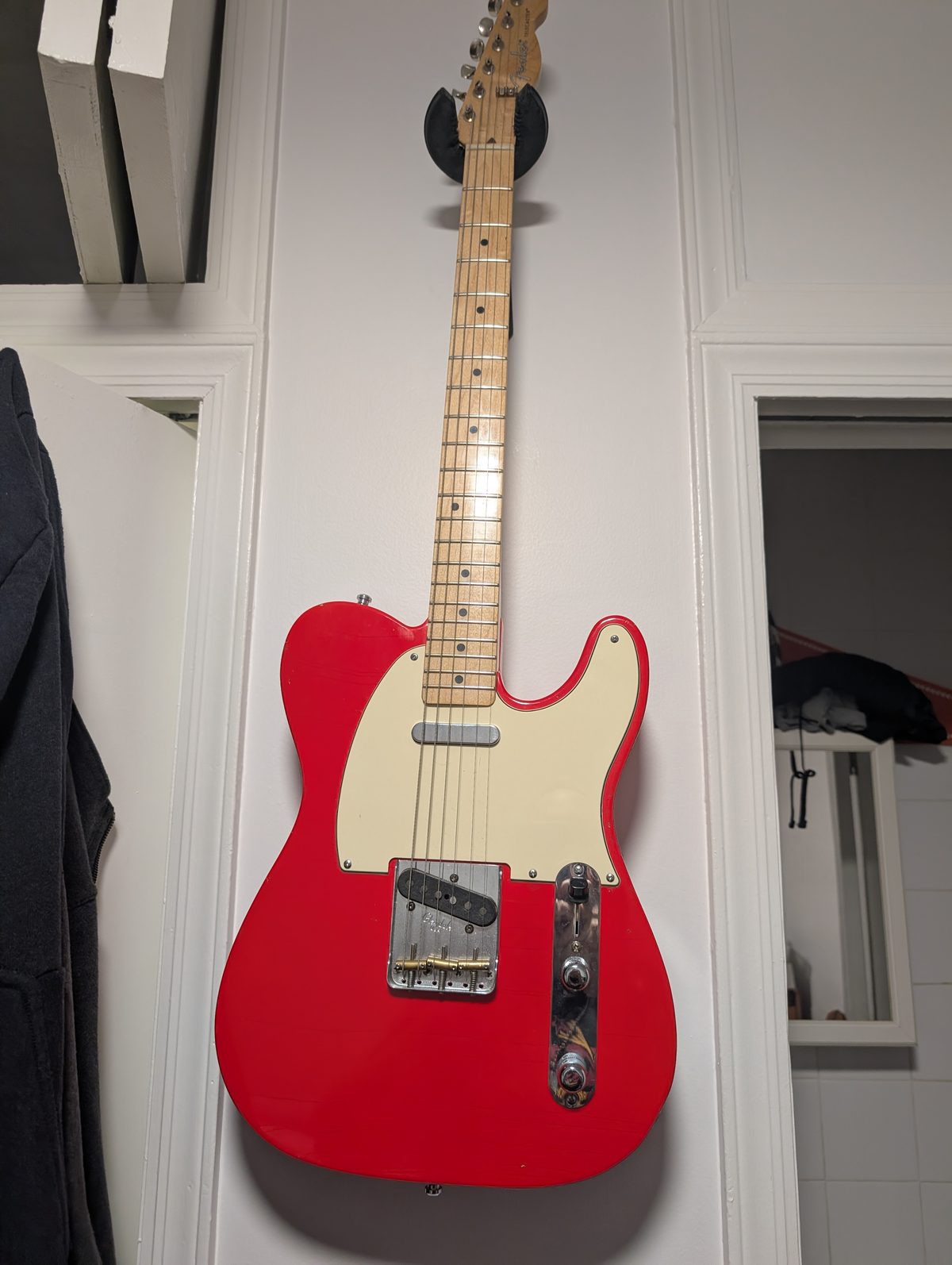
Start with the wood, because it's the part that actually explains why this guitar sounds the way it does. The body is paulownia, which is not a wood you see on many electric guitars at all. It's extremely light on its own, and Fender caps it with a layer of spruce, the same basic idea as an acoustic guitar's top. I don't fully know the physics of why a solid-body electric benefits from that construction, but the result is real: this guitar has more acoustic resonance, unplugged, than a Telecaster has any business having. Plugged in, that resonance doesn't disappear, it shows up as a liveliness under the pickups that a standard ash or alder body doesn't quite deliver the same way.
And it's light. Genuinely light, not “light for a Telecaster” light. If you've ever ended a long gig with a sore shoulder from a guitar that looked svelte on paper and wasn't, this is the opposite of that experience.
Pickups that actually split the difference
The pickup voicing is the other thing worth talking about specifically. It reads as a real blend, not a marketing word: classic Telecaster bite and clarity, with more warmth sitting in the neck position than you'd expect from something wearing a Tele body. That's a genuinely useful voicing if you play across styles, since you get the twang when you dig in and something rounder and more forgiving when you back off toward the neck pickup, without switching guitars.
The neck itself is sizable, more of a handful than a slim modern profile, but it plays easily rather than feeling like a compromise you're tolerating for the tone. And the compensated vintage-style saddles are a genuinely good call on Fender's part, intonation stays where it should across the neck without giving up the vintage look and feel at the bridge.
The one real complaint
Here's the part I'm not going to soften: the fake relicing has one specific spot that bugs me. Near the arm rest, the wear pattern reads as wrong rather than convincing, the kind of detail that pulls your eye toward “someone decided this should look worn here” instead of “this looks like forty years of a guy leaning on his forearm.” Relicing in general is a taste call and I don't have a strong opinion on it either way. This particular execution, in this particular spot, is the one thing about this guitar I'd change if I could.
The only actual modification I make is swapping the stock knobs for something with more dome to them. Everything else, including the neck, the pickups, the saddles, and yes even the relicing I just complained about, stays factory.
Should you buy one
If you want a Telecaster that does something genuinely different from the standard formula, rather than a Telecaster with a different paint job, this is a real contender, not a novelty. The paulownia-and-spruce construction isn't a gimmick, it changes how the guitar responds, and the pickup voicing gives you range a straight ahead Tele doesn't have. I own two. That's not a hedge, that's the recommendation.
Keep reading
-
Telecaster vs Stratocaster: One of Them Needs an Entourage
The eternal Fender question, answered with real differences (bridge, pickups, feel) and one firmly held opinion: Teles plug in, Strats bring a support team.
-
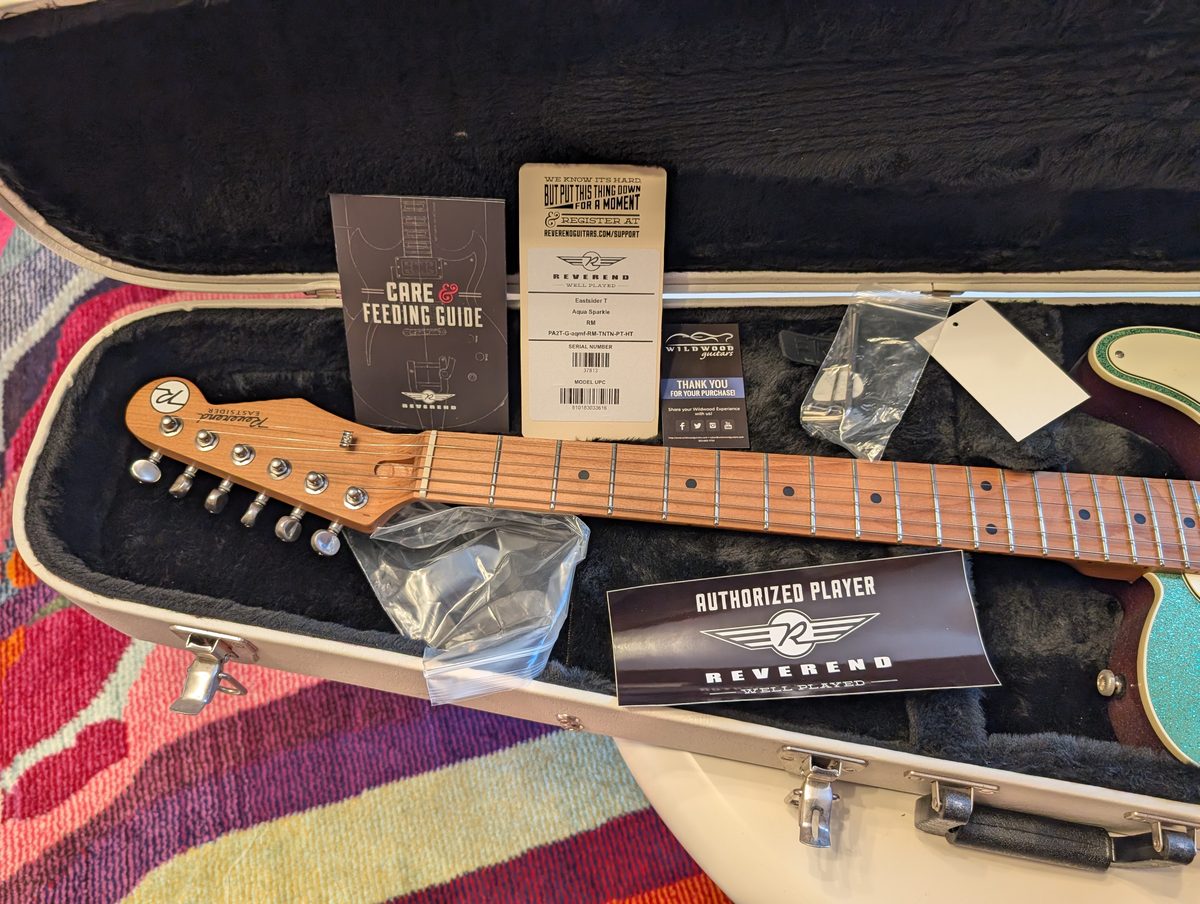
Reverend Eastsider T Review: The Telecaster Fender Doesn't Make
A long-term look at Pete Anderson's Reverend signature: chambered korina, roasted maple, and Talnico pickups in a T-style that fixes the Tele's few honest flaws.
-

The Used Electric Guitar Checklist: What to Inspect Before You Hand Over Cash
A seller's-side view of buying used electric guitars: the ten-minute inspection, what actually matters (neck, frets, electronics), and what's just haggling theater.
FAQ
What makes the Brad Paisley Telecaster's construction different from a standard Telecaster?
The body is paulownia, a wood almost nobody else uses on an electric guitar, capped with a layer of spruce the way an acoustic guitar top is built. Paulownia is extremely light on its own; the spruce cap is the part that seems to add real acoustic resonance on top of that lightness, which is not typical Telecaster behavior.
Is the relicing on this guitar worth it?
Mostly, but not entirely. The wear pattern near the arm rest specifically reads as off rather than convincing. It is a small thing on a guitar that gets almost everything else right, but it is a real complaint, not a nitpick invented to sound balanced.