
Mini Rectifier Twenty-Five vs Baby Budda: Two Small Tube Heads, Opposite Ideas of Simple
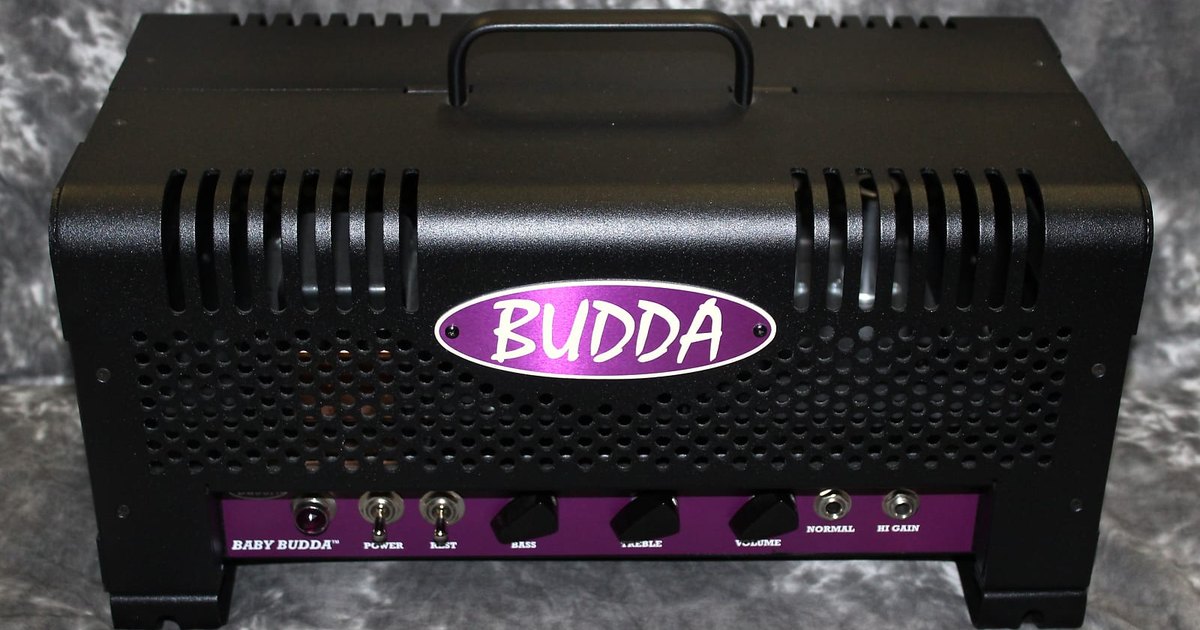
I own both of these heads, and both are listed for sale right now as part of scaling down my gear. I have not put in enough time with either one to hand out a star rating, which is why both were in the no-verdict-yet pile on my rack page. So this is not a review. It is a look at what is inside each box and who each one suits, built from published specs and one magazine review. Where I am relying on my own listing text, I say so.
Two small heads, opposite ideas
Both are lunchbox sized, both run EL84 power tubes, and both land between 18 and 25 watts. That is where the similarity ends. The Mesa gives you options: two channels, several voicings, a power switch and an effects loop. The Budda gives you three knobs and two inputs and expects you to do the rest with your hands.
Mini Rectifier Twenty-Five: what is inside
Premier Guitar’s January 2012 review lists the specs. It is 25 watts, switchable to 10 watts on each channel, with two EL84s in a Dyna-Watt power amp, five 12AX7s in the preamp, a fixed-bias design and a preamp circuit taken from the Dual Rectifier. The first channel is clean or pushed. The second offers vintage or modern voicings taken from the Rectifier’s red channel. Each channel has its own bass, mid, treble, presence, gain and master controls. There is a series effects loop on the back and a one-button footswitch, and no reverb.
The reviewer put the head at about 12 pounds and found it delivers the Rectifier sound at much lower volume than the bigger heads, with the 10-watt setting useful for recording. That matches what I said in my own listing about low-volume use and recording. One caution: that is a 2012 review, so check the specs of any current unit.
Baby Budda: what is inside
The Baby Budda is 18 watts. Retailer spec listings give two EL84s in a Class AB power section, two 12AX7s in the preamp and a 5U4 rectifier tube, with a point-to-point power section and a preamp on a brass-eyelet board. The controls are Bass, Treble and Volume. There are two inputs, Normal and Hi Gain, and they feed separate tube stages. There is an effects loop, a slave output and a 4/8 ohm switch. My listing puts it at about 17 pounds packed.
I describe it as the Twinmaster circuit in a lunchbox head. Premier Guitar’s 2011 write-up of the Twinmaster reissue lists the same tubes, the same two inputs and the same three controls, which supports that. I could not find Budda wording that calls the two the same circuit, so treat “same circuit” as my understanding, not Budda’s statement. Budda’s own catalog credits the Twinmaster with starting the low-wattage movement in guitar amps.
How they behave at low volume
The Mesa has an answer for small rooms built in: drop to 10 watts and use the channel master. The Baby Budda has a single Volume and no master, so the preamp level and the output level are one dial. That is my reading of the controls, not a measurement, but it means volume is also a tone control, and I would expect the amp to be at its best when it is pushed. My listing says most of the tone lives in how you work your guitar’s volume knob and which input you plug into, and that running an A/B box into both inputs makes it more versatile. If a small room is the use, read every real fix for a tube amp that is too loud before you commit to an amp with no master.
Who each one suits
The Mini Rectifier suits a player who wants high-gain Rectifier tone and some options in a small box: a clean channel and a gain channel without a pedal, a way to turn it down, and a loop for time-based effects. The Baby Budda suits a player who wants one sound and is happy to shape it with a pedal, a volume knob and the choice of input. If you need to switch channels at your feet, it is not the one.
Both are heads, so both need a cab, and that is half the decision. Premier Guitar’s review lists Mesa’s matching closed-back 1x12, loaded with a Celestion Vintage 30. My listing says Budda recommended one open-back and one closed-back 1x12 for the Baby Budda, and calls that a great setup. The tradeoffs are in combo vs head and cab.
Buying either one used
Both are tube amps, so count the tubes. The Mesa has seven by the review’s spec: five preamp and two power. The Budda has five: two preamp, two power and the rectifier. Each is something that can age. The used tube amp checklist covers what to inspect, and Class A vs Class AB explains the type of power section in the Budda. For my own amps in the same family, see the Superdrive review and the Subway Rocket retrospective.
Keep reading
-
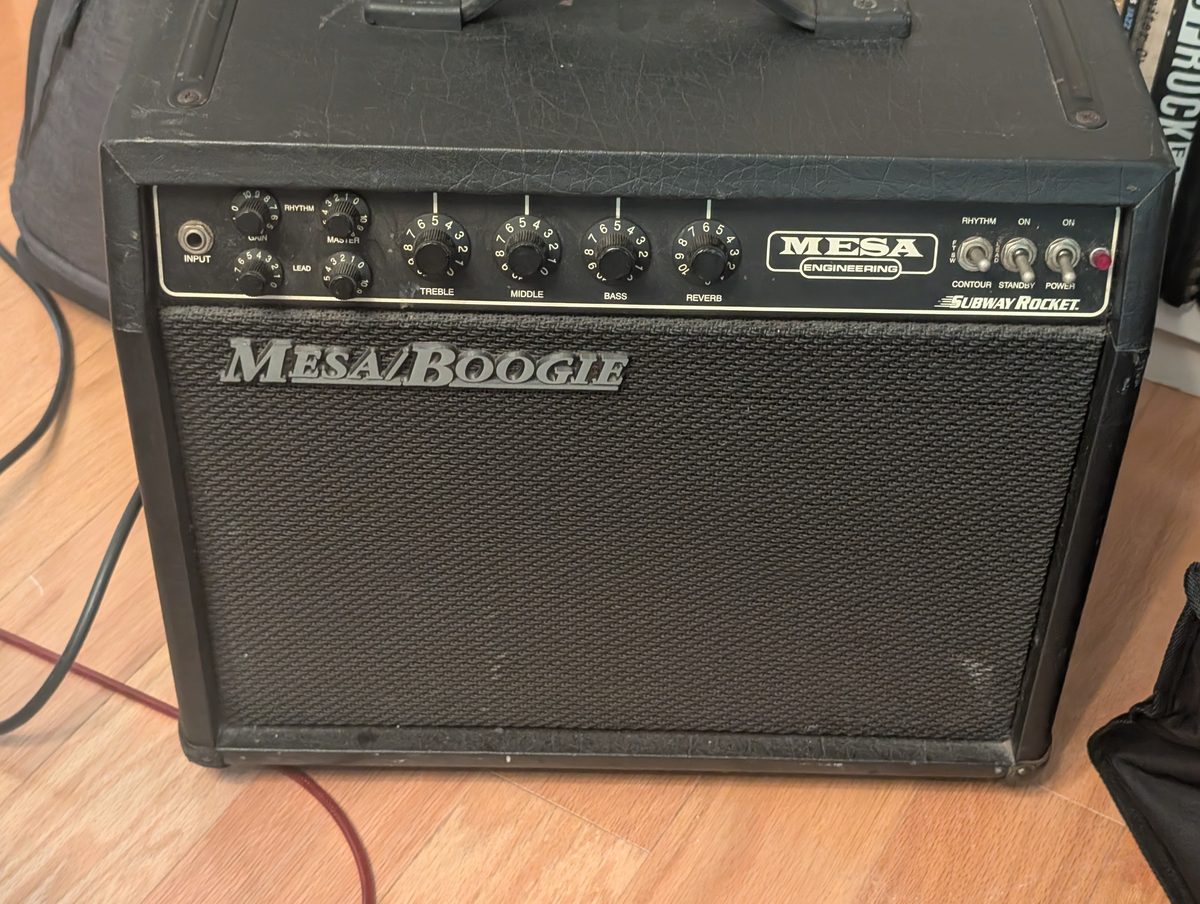
Mesa Subway Rocket Retrospective: The Amp That Beat the NYC Stairs Test
A long-term owner looks back at Mesa's compact Subway Rocket: the portability that earned it a decade of sit-in gigs, the voice it refuses to do, and what to pay used.
-
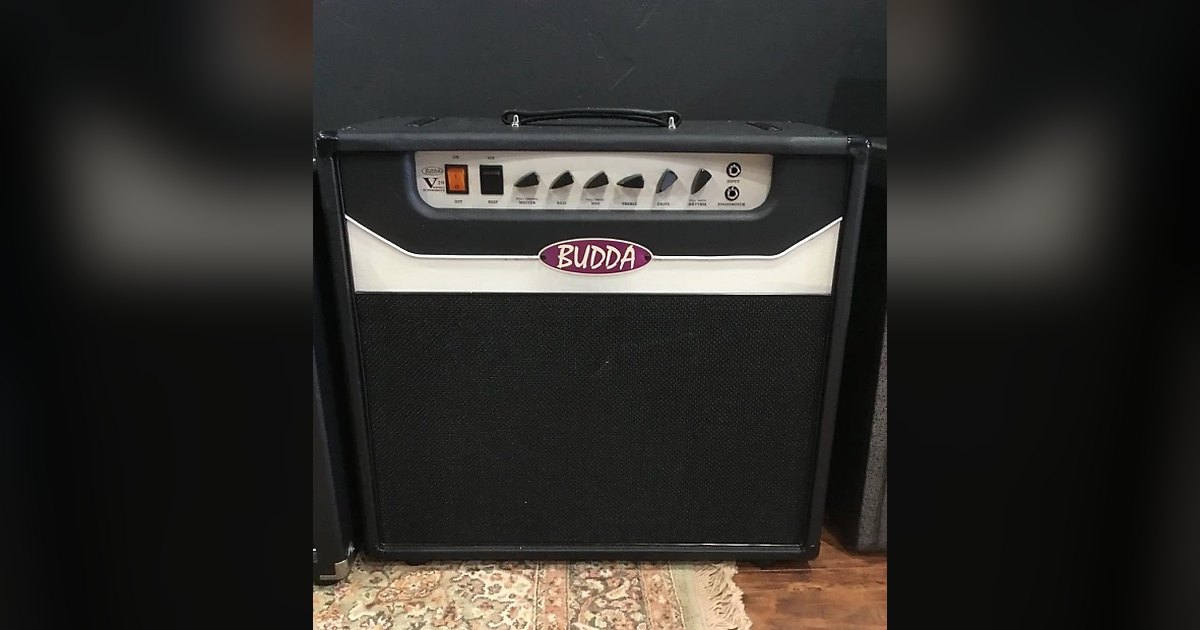
Budda Superdrive Review: The Most Underrated Amp on the Planet (I Own Five)
A long-term owner's review of the Budda Superdrive SD18, SD30, SD80, and V20: the Plexi-meets-Dumble sound, why the world overlooked it, and how to buy one used.
-
Buying a Used Tube Amp: The 15-Minute Checklist That Saves You Hundreds
What to check before handing over cash for a used tube amp: tubes, pots, reverb, speaker, transformers, and the haggling math sellers expect you to know.