
EAST Studio 2 Review: Jeff Bober's Next Chapter, Owned Early and Recorded Often
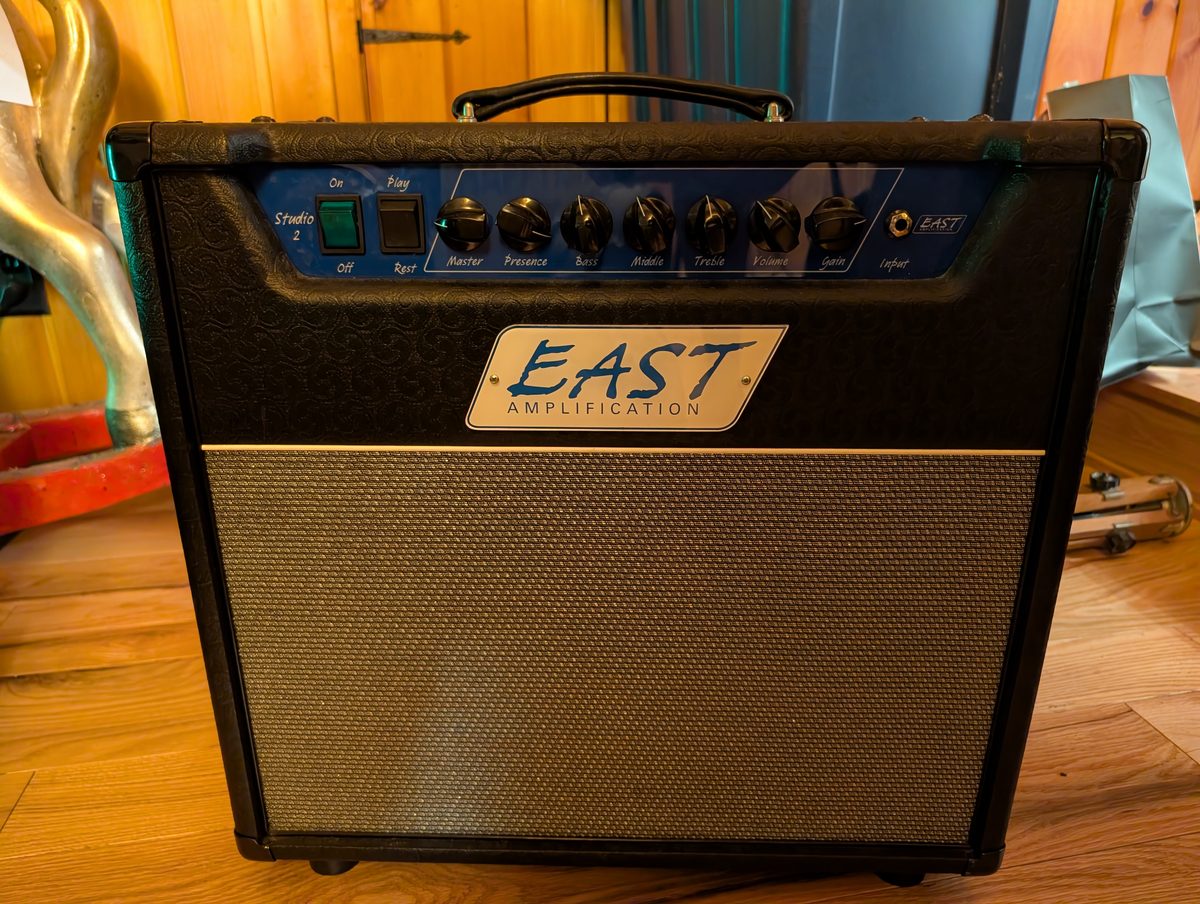
Full disclosure before anything else: I know Jeff Bober personally, and you should weigh this review accordingly. Counterweight: I also own three of the amps he co-created, bought this one with my own money the moment it existed, and my history of pretending amps are better than they are is, per the rest of this site, poor. Take it as a review from inside the family, with the receipts on the table.
The Studio 2. Jeff Bober’s current company, and the Superdrive bloodline continued.
How it got here
The pedigree first, for anyone arriving without the backstory: Jeff Bober was the power-amp half of the Budda Superdrive story and a driving force behind the whole low-wattage movement, and EAST Amplification is his current flag. When EAST’s higher-wattage amps appeared, I watched the demos the way you watch a trailer for a sequel you’ve been waiting a decade for. And when the Studio 2 arrived at the low-wattage end of the line, I pounced on an early one, specifically because of the low wattage. Two decades of Superdrives that could evict me have taught me exactly which end of the wattage spectrum a home player should be excited about.
The sound: same bloodline, different voice
The lazy assumption would be “a small Superdrive,” and it’s wrong in an interesting way. The family resemblance is unmistakable, this is recognizably the same designer’s ear, but the Studio 2 is a little thicker, and throatier in a way the Superdrives aren’t. If the Superdrive lives in that Plexi-shakes-hands-with-Dumble territory, the Studio 2 slides a hair away from the Marshall end and a little toward Vox and Boogie: more chew in the midrange, a voice that growls where the Budda barks. Single-coils, unsurprisingly given everything I’ve written about this designer’s midrange, love it.
On paper, the Studio 2 also answers the entire Budda-owner complaint list: a real presence control, a proper effects loop and line out, the Mean/Clean output-stage switch. Here’s the honest owner’s report on all of that, and it’s the most useful sentence in this review: none of it is why you buy the amp. When my own reviewer brain asked “how do the fixed grievances feel in use,” my player brain answered “what fixed grievances?” The features are there, they work, and weeks go by without me thinking about any of them, because the amp earns its place the way amps always have: it sounds right when you plug in. Spec sheets are for writers. Tone is for owners.
The quirk, because there’s always one
The one wish, and given this site’s running theme about tube amps being too loud, savor the irony: sometimes you wish for a little more volume. The Studio 2 is sized with total honesty, and that honesty means it can’t really do a stage. The name is the spec: this is a studio and practice amp, and Jeff, an architect of the low-wattage movement, built it without the usual small-amp delusion of pretending otherwise. If your gigs are the goal, the bigger EAST amps exist, or you do what I do on stage anyway.
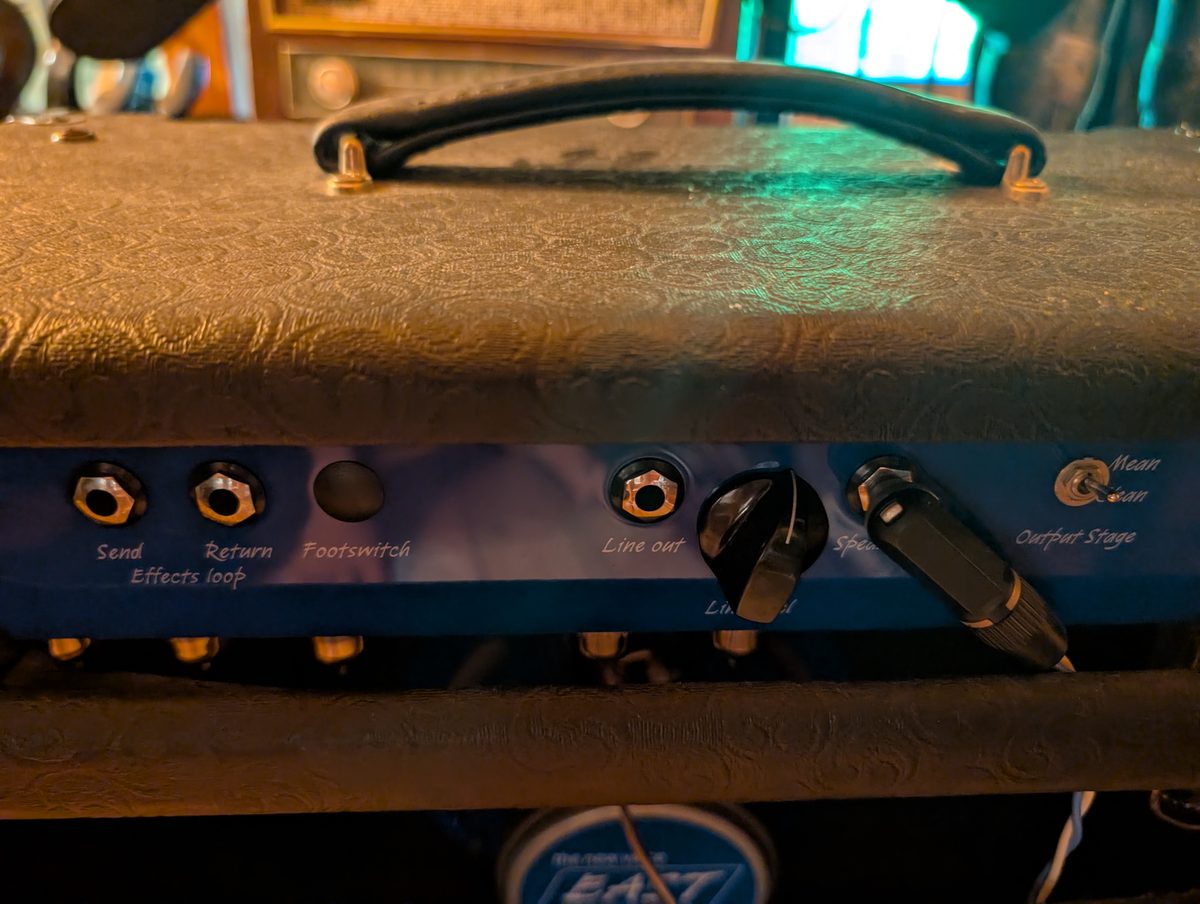 The business end. Note what a hand-built amp looks like where nobody’s supposed to look.
Its job in the rig
The Studio 2 settled into the household as the practice amp and, more importantly, a great recording amp, which is exactly the job description its wattage and voice were hired for. Mic’d up, that thicker, throatier character sits in a track with less EQ surgery than the bigger amps need, and it makes its best sound at levels where the room and the neighbors survive. The Superdrives still own the sound in my head; the Studio 2 owns the hours in my week. There’s a lesson about amp ownership in that split, and it took me three Buddas and one EAST to learn it.
Who should buy one
Recording guitarists who want a genuinely great hand-built tube voice at capture-friendly volume; Budda believers who want this DNA in current production with a warranty and a living builder behind it; and anyone shopping boutique low-wattage who’s tired of small amps that secretly wish they were big ones. Skip it if your amp needs to gig unmic’d, and buy the used Superdrive instead if maximum loud-per-dollar is the mission, that market remains the bargain of the century. But if the job is the studio and the living room, this is the rare sequel that understood what the original was actually about.
Keep reading
-
The Apartment Guitarist's Gear Guide: Great Tone Without the Volume
How to get amp tone you love at apartment volume: modelers, headphone rigs, low-watt amps, and what to skip. Real budgets, honest tradeoffs.
-
Budda Superdrive Review: The Most Underrated Amp on the Planet (I Own Three)
A long-term owner's review of the Budda Superdrive SD18, SD30, and SD80: the Plexi-meets-Dumble sound, why the world overlooked it, and how to buy one used.
-
What Is an FRFR Speaker? The Missing Piece of Your Modeler Rig, Explained
FRFR means full range, flat response: a neutral powered cab that lets your modeler's cab sim do the talking. What it is, why it feels different, and how to pick one.