
Guitar Humidity and Storage: The Cheap Insurance Nobody Buys

Guitars are wood, and wood moves with moisture, which makes humidity the single most common cause of real structural guitar damage that has nothing to do with how the instrument was played or built. It’s also the cheapest problem in guitar ownership to prevent and one of the more expensive ones to fix after the fact, which makes it the definition of insurance nobody buys until after the claim.
What humidity actually does
Wood absorbs and releases moisture from the air, expanding when humidity is high and shrinking when it’s low, and a guitar is built from several pieces of wood, plus glue joints, all expected to move together within a normal range. Too dry (roughly below 35% relative humidity, sustained) and the wood shrinks: frets that once sat flush start to feel sharp at the edges as the fretboard wood shrinks around them, cracks can open in the top or back, especially on acoustic guitars with their thinner, more exposed tops, and the action can drop low enough to buzz as the neck relief changes. Too humid (roughly above 55%, sustained) and wood swells: the top can belly out on an acoustic, glue joints can loosen or fail entirely in extreme, sustained cases, and action can rise as the neck bows forward. The safe range most builders and repair techs target is roughly 40 to 50% relative humidity, and the danger isn’t a single bad day, it’s sustained weeks at an extreme, which is exactly what a change of season through a dry winter or a humid summer delivers if nobody’s watching.
Which guitars are actually at risk
Acoustic guitars are the highest-risk category by a wide margin: their thin, largely unsupported tops move more and crack more visibly than anything on a solid-body electric, which is why acoustic players who neglect humidity see the most dramatic damage. Semi-hollow and hollow-body electrics carry meaningfully more risk than solid-body electrics for the same structural reason, thinner, more exposed wood. Solid-body electrics are the most forgiving of the bunch, but “forgiving” isn’t “immune”: neck wood still moves, frets can still sprout, and a solid-body left in a genuinely extreme environment (a hot, dry attic; a freezing, damp basement) can still develop real problems over time.
The cheap fixes that prevent nearly all of it
A case is the first and cheapest line of defense, because a closed case creates a small, stable microclimate that resists whatever the room around it is doing; a guitar living on a stand in an open room is exposed to every swing the house makes, while the same guitar in its case rides those swings out far more slowly and gently. A simple in-case humidifier (a sponge-based or gel packet system, $10 to $20) is the standard fix for dry conditions, recharged with water on a schedule and left in the case; this single habit prevents the overwhelming majority of dry-season damage for a cost measured in dollars, not the hundreds a crack repair runs. A basic hygrometer ($10 to $15, some now built into humidifier units) tells you your actual case or room humidity instead of guessing, which matters because “it feels dry in here” is a much worse instrument than a $12 sensor. For genuinely dry climates or serious collections, a room humidifier for wherever the guitars live is worth the upgrade once you own more than one instrument worth protecting.
The warning signs to catch it early
Fret ends that suddenly feel sharp or proud at the fretboard edge, a top that looks different than it used to (sunk in, or bellied out), a buzz or action change that shows up seasonally rather than gradually, and any visible crack, however hairline. Catch these early and a good repair tech can often address them without major cost; a fret-ends-sharp complaint caught in month one is a ten-minute file job, while a full-blown crack from a bone-dry winter can mean real structural repair. The same logic applies whether you’re maintaining a guitar you already own or inspecting one before you buy it: humidity damage is exactly the kind of thing a careful pre-purchase check should be looking for, since a guitar that’s lived somewhere with no humidity control for years often shows it in ways photos alone won’t reveal.
The one-sentence version
A case, a humidifier or dehumidifying strategy matched to your actual climate, and a cheap hygrometer to stop guessing cost less than a single fret dress, and they prevent the exact kind of damage that turns into the expensive repairs this whole article exists to help you avoid.
Keep reading
-

Acoustic or Electric First? Pick the One You'll Actually Practice
The honest answer to the most common beginner guitar question, including the finger-pain myth, the real costs of each path, and the one factor that predicts who keeps playing.
-

Buying a Guitar Online Without Playing It First: How to Not Get Burned
Reverb, marketplace, and retailer tactics from someone who's bought and sold online for years: what photos to demand, what questions filter sellers, and when to walk.
-
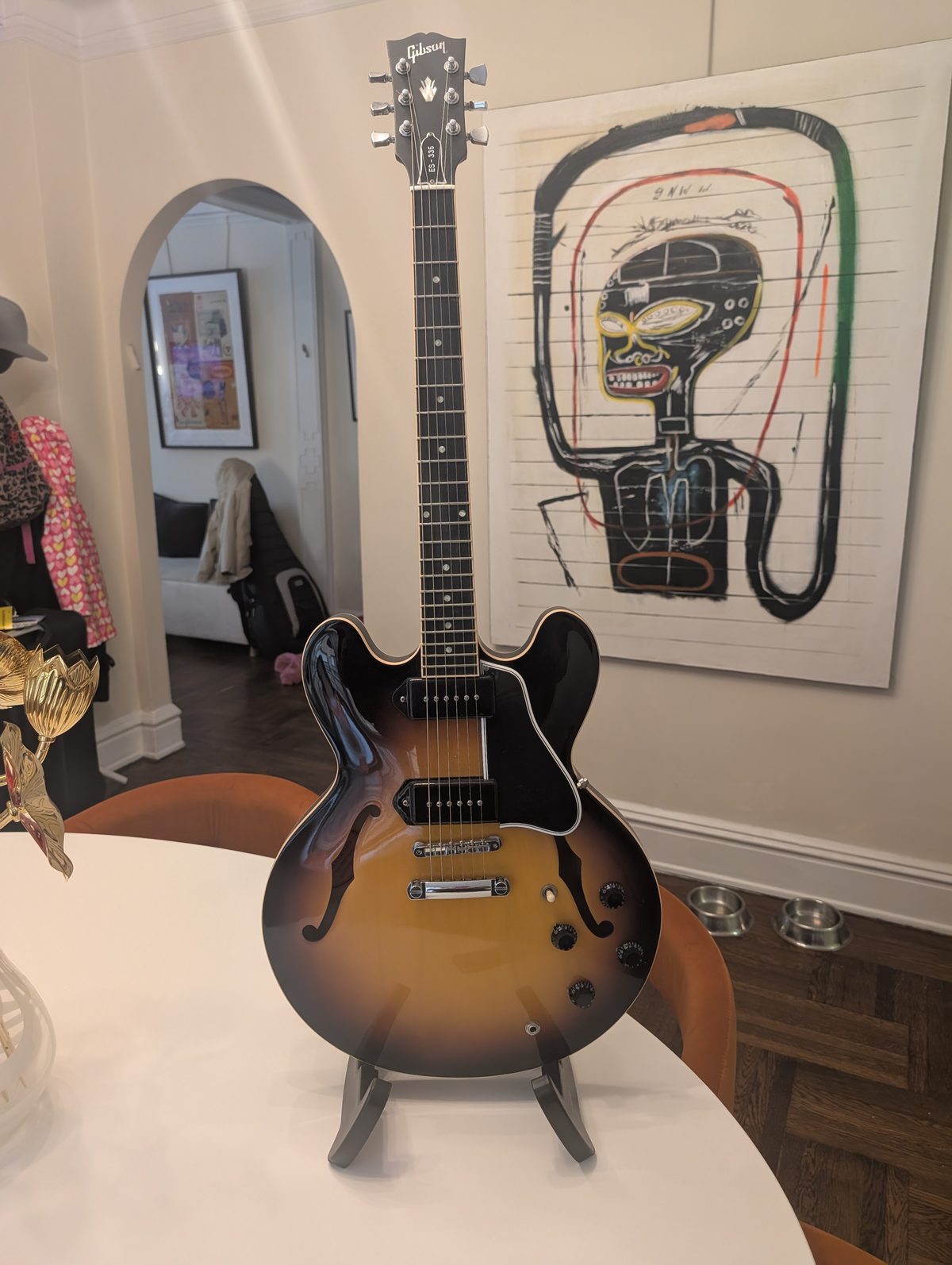
Gibson ES-335 with P-90s: The Rare One, Reviewed After Years of Ownership
A long-term review of the Custom Shop ES-335 with factory dogear P-90s: what the rare pickup swap does to the most famous semi-hollow ever made.