
Fender Player Plus: More Output, More Travel-Stability, Still Not USA
Let’s clear up the confusion first, because it’s the most common question about this tier: Player Plus is not a discontinued predecessor to Player II, and it’s not some in-between clearance line. It’s a current, distinct tier that sits above Player II in the lineup, built for a specific kind of player who wants more from the guitar without stepping up to a USA price tag. Street price lands around $900 to $1,050 as of 2026, roughly $150 to $200 over a comparable Player II.
What the “Plus” actually adds
Three real changes separate this tier from Player II, and all three are things your hands and ears will notice, not just spec-sheet filler. First, the pickups: Player Plus ships with noticeably hotter pickups than Player II’s set, pushing more signal into your amp for a more compressed, aggressive default voice. Second, locking tuners, which matter more than they sound like they should if you bend hard, use a whammy bar, or just hate re-tuning between songs at a gig; they hold pitch through abuse in a way standard tuners don’t. Third, a rolled fingerboard edge, a small shaping detail on the side of the neck that makes fast position shifts and bends feel less like you’re gripping a board with square edges. Some Player Plus models also add a push-pull coil-split option on the HSS configurations, giving you single-coil tones out of the bridge humbucker without a soldering iron.
Notable models
The lineup includes the Player Plus Stratocaster HSS, the humbucker-in-the-bridge configuration that benefits most from the coil-split option, the Player Plus Nashville Telecaster, which adds a middle single-coil to the standard two-pickup Tele layout for a genuinely different sonic palette, and the Player Plus Meteora HH, the double-humbucker version of the offset shape aimed at players who want output and a modern look together.
Who this is actually for, and who’s wasting money
Player Plus makes the most sense for gigging players who want a hotter, more aggressive default tone without buying a pedal to get there, and for anyone who travels or gigs enough that locking tuners and neck stability genuinely matter, not just sound nice on paper. It’s the wrong purchase for a player chasing vintage single-coil dynamics and touch sensitivity, because the whole point of this tier’s pickups is more output, and more output trades away some of that responsiveness by design.
That tradeoff deserves its own explanation, because “hotter pickups” gets sold as a strict upgrade when it isn’t one. I’ve laid out the full case for why output and quality are different specs measuring different things: a hot pickup earns its keep driving a low-gain amp into breakup, but a genuinely dynamic amp doesn’t need the help, and pairing one with an already-hot pickup can cost you touch sensitivity for no real gain. Whether Player Plus is the right call depends entirely on what you’re plugging into, not on the guitar alone.
For where this tier sits against Player II above and below it, see the full Fender lineup guide.
Keep reading
-
Acoustic or Electric First? Pick the One You'll Actually Practice
The honest answer to the most common beginner guitar question, including the finger-pain myth, the real costs of each path, and the one factor that predicts who keeps playing.
-
Buying a Guitar Online Without Playing It First: How to Not Get Burned
Reverb, marketplace, and retailer tactics from someone who's bought and sold online for years: what photos to demand, what questions filter sellers, and when to walk.
-
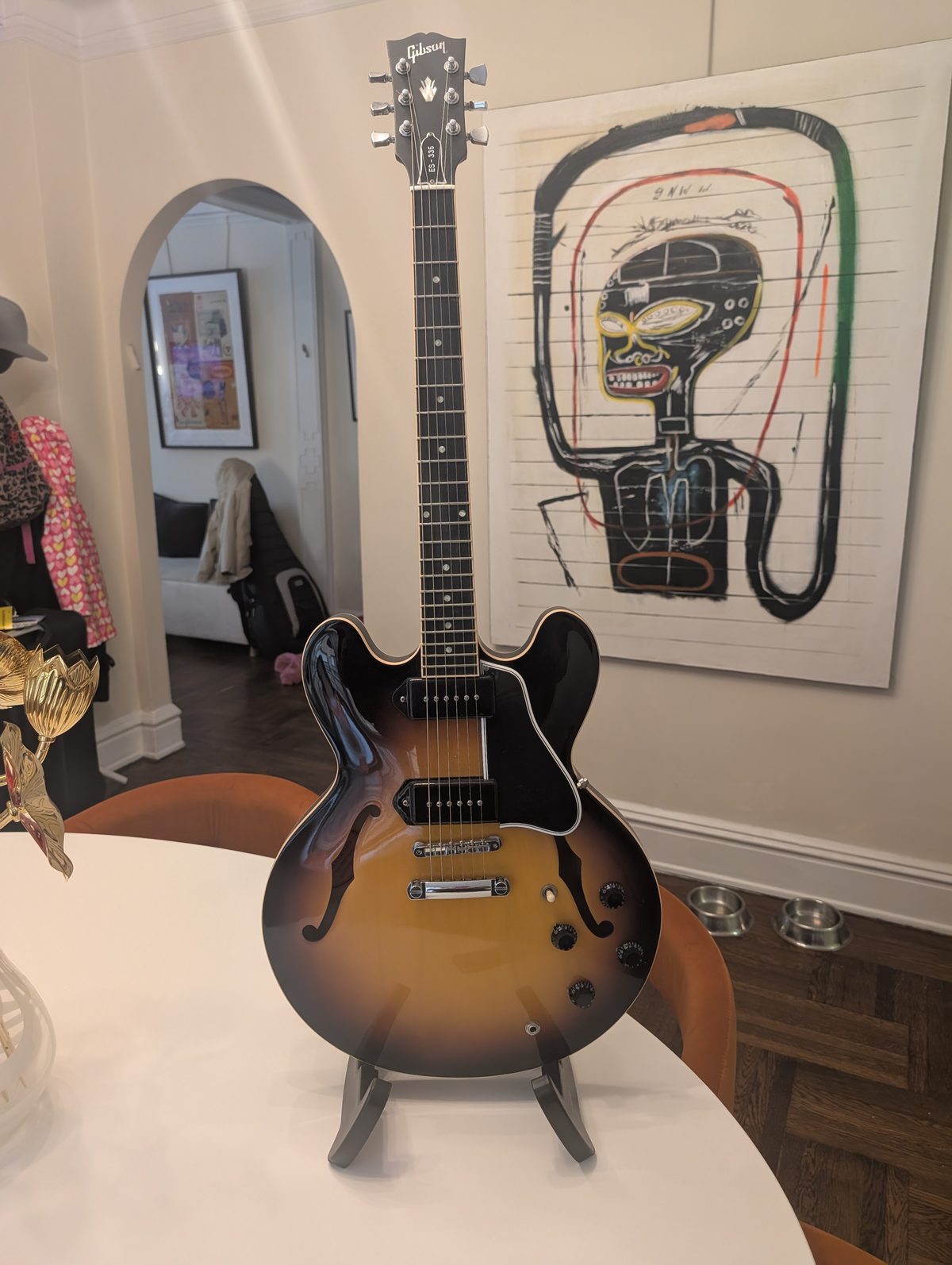
Gibson ES-335 with P-90s: The Rare One, Reviewed After Years of Ownership
A long-term review of the Custom Shop ES-335 with factory dogear P-90s: what the rare pickup swap does to the most famous semi-hollow ever made.