
Gibson Custom Murphy Lab: Buying a Guitar That Looks 65 Years Old

Somewhere in Nashville, a team of artisans trained by Tom Murphy spends real hours making a brand-new guitar look like it survived Eisenhower’s second term, and then Gibson charges you more for the privilege than a mint, unplayed equivalent would cost. That sentence either makes complete sense to you or it doesn’t, and which side you land on tells you everything about whether this tier is worth your money.
What Murphy Lab actually is
It’s a specific aging program applied to Gibson Custom Shop instruments, distinct from the older, lighter VOS (“Vintage Original Spec”) sheen. Murphy Lab guitars get simulated play wear: finish checking that mimics decades of nitrocellulose shrinkage, buckle rash, arm and belly wear, dulled hardware, even the slight neck-back sheen a guitar develops from thousands of hours in someone’s hands. It comes in graduated intensity, from Ultra Light (barely-there wear) through Light Aged (moderate, believable years-of-playing wear) up to Heavy Aged (aggressive checking and dings, the full “on the road since the Kennedy administration” treatment). It’s genuinely skilled work, not a stock finish filter, and the better examples are convincing next to an actual vintage guitar.
Pricing in 2026
Expect roughly $6,000 to $9,000 and up, on top of whatever the base Custom Shop model would cost, since Murphy Lab treatment is applied to existing historic reissues and artist models rather than sold as its own separate line. Heavier aging levels, rarer base specs, and limited-run pieces with artist ties push the top of that range higher still.
The values question, both sides
Some players genuinely prefer how an aged guitar feels to own, not just looks: worn frets and a broken-in neck can be a real preference, and a guitar that already looks gigged means not babying a pristine finish at a bar show. Plenty of other serious players think paying extra for fake wear on a brand-new instrument is straightforwardly absurd, and that’s just as reasonable a position. The aging is, definitionally, not real: it doesn’t carry the actual structural history a genuinely 65-year-old guitar has, it’s a simulation of it, and it changes nothing about tone. There’s no wrong answer, it’s a values question about what you want the guitar to represent, not a spec question with a correct outcome.
Buying used means a different kind of inspection
The used electric guitar checklist still applies here, but the instincts shift. On a real vintage guitar, wear tells a structural story: worn frets mean actual playing hours, finish checking correlates with decades of humidity cycling that also affected the wood and glue joints underneath. On a Murphy Lab guitar none of that correlation exists, the checking and buckle rash were put there on purpose, and a guitar that looks decades old might have completely normal, low-hours condition otherwise. Inspect it for what it is, a modern Custom Shop instrument with cosmetic aging, not a time capsule, and judge the neck, frets, and electronics accordingly.
Who this tier is for
Buy Murphy Lab if the look and feel of an aged instrument genuinely matters to you and the budget for it is a real part of the decision, not an afterthought. Skip it if you’re chasing tone or playability gains over standard Custom Shop, since there aren’t any, the guitar underneath the aging is the same build at a lower price unaged. And skip it as a value play: aging-intensity taste shifts like any trend, narrowing your resale pool later.
For how Murphy Lab fits against Custom Shop and the rest of the Gibson and Epiphone catalog, see the full Gibson and Epiphone lineup guide.
Keep reading
-

Acoustic or Electric First? Pick the One You'll Actually Practice
The honest answer to the most common beginner guitar question, including the finger-pain myth, the real costs of each path, and the one factor that predicts who keeps playing.
-

Buying a Guitar Online Without Playing It First: How to Not Get Burned
Reverb, marketplace, and retailer tactics from someone who's bought and sold online for years: what photos to demand, what questions filter sellers, and when to walk.
-
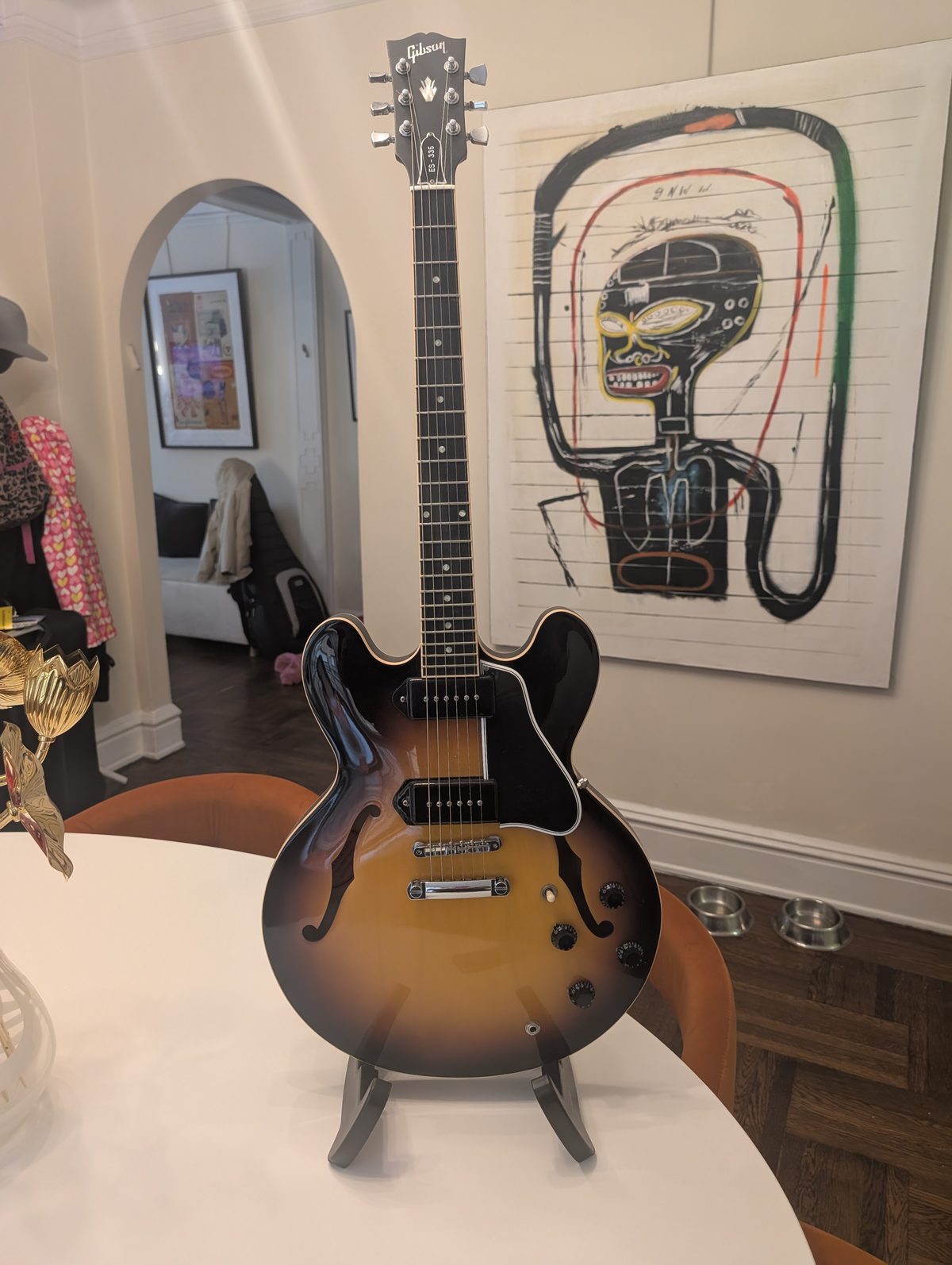
Gibson ES-335 with P-90s: The Rare One, Reviewed After Years of Ownership
A long-term review of the Custom Shop ES-335 with factory dogear P-90s: what the rare pickup swap does to the most famous semi-hollow ever made.