
Why Japanese Telecasters Keep Winning

I bought two FujiGen-built Telecasters within about three weeks of each other in the spring of 2023. That wasn't a plan, it was just what happened once I had the first one in my hands: a period-correct 1986-87 MIJ FujiGen, modded, and a Japan-market ST-72 reissue. I didn't need a second Telecaster. I bought one anyway, because the first one made a case the spec sheet hadn't.
The actual argument, not the vibe
“Japanese guitars are just better” gets said a lot, usually as a vibe rather than a reason. Here's the reason, as I understand it: Japanese manufacturers building for their own domestic market don't get away with as much. The bar for what's acceptable at a given price point is higher, so the guitars that clear it are better built, better bodies, better necks, better pickups, all the way down. It's not mystique and it's not nostalgia for a “golden era,” it's a market that tolerated less slop.
That's also, as far as I can tell, the reason Fender doesn't make cheap guitars in Japan anymore. The Japan-market quality floor was high enough that a genuinely cheap Fender couldn't clear it at a price that made sense, so the budget tier moved to Mexico instead, where the standard is different. That's a real business decision made because of a quality gap, not a coincidence of where factories happen to be.
What that actually feels like in your hands
The two FujiGen Telecasters aren't identical guitars wearing different date stamps. The 1986-87 original has the thing vintage guitars actually have, not mystique, just decades of a piece of wood and a set of pickups settling into what they are. The ST-72 reissue is chasing that same spec deliberately, built to the same standard on purpose rather than by accident of age. Both of them do the thing a good Telecaster is supposed to do better than most Telecasters I've owned that weren't built this way: they get out of their own way. Nothing about either guitar is fighting you.
The Richie Kotzen signature MIJ Telecaster is the complicating case, and I think it's worth including precisely because it's not a clean win. The neck is huge, genuinely oversized compared to a standard profile, and I love it anyway. The whole guitar is heavy, which is the one real mark against it. Japanese build quality doesn't mean “no tradeoffs,” it means the tradeoffs you get are deliberate choices rather than corners cut. A big neck and real weight on the Kotzen are choices. They're not the same category of problem as a pickup that hums or a neck pocket that doesn't sit right.
It's not just Telecasters
The two FGN (Fujigen) Masterfield guitars I've picked up more recently aren't Telecasters at all, they're semi-hollow guitars sized in the gap between an ES-335 and an ES-339, which is a genuinely good gap to build in since the 339's smaller body has never done much for me. But they're built by the same company, to the same standard, and the workmanship is the same story: great. That's the actual test of a thesis like this one. It's not “this one specific old Telecaster happens to be good,” it's that the same builder, on a completely different body style, decades later, produces the same result.
The honest version of the pitch
I'm not telling you every Japan-built guitar is automatically better than every guitar built anywhere else, that's not a real argument, it's a slogan. What I'm telling you is that a domestic market with a higher quality floor produces guitars that clear that floor, consistently, across different eras and different body styles, from the same builder. I've bought two Telecasters three weeks apart on the strength of that pattern. I'd do it again.
Keep reading
-
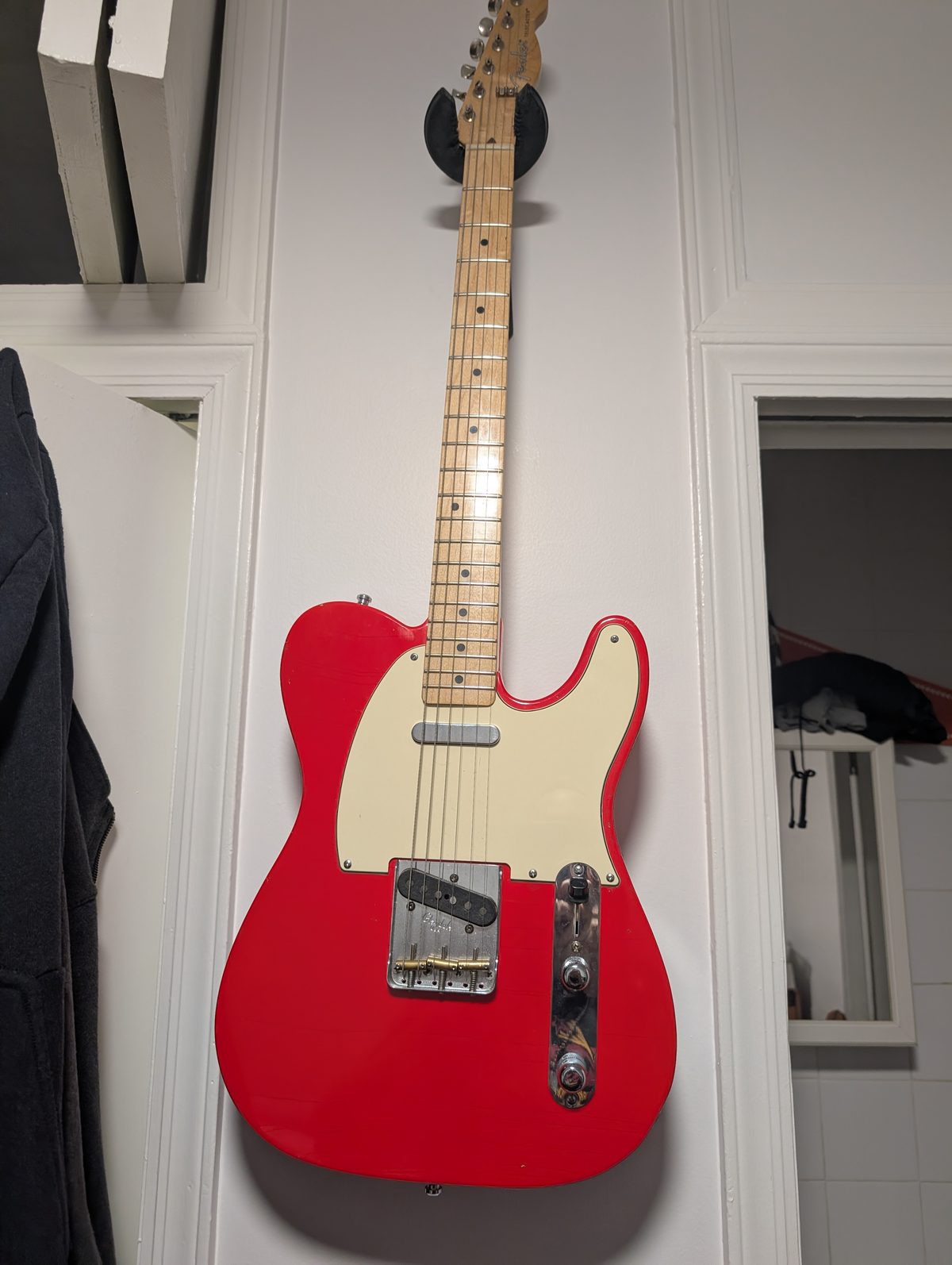
Telecaster vs Stratocaster: One of Them Needs an Entourage
The eternal Fender question, answered with real differences (bridge, pickups, feel) and one firmly held opinion: Teles plug in, Strats bring a support team.
-
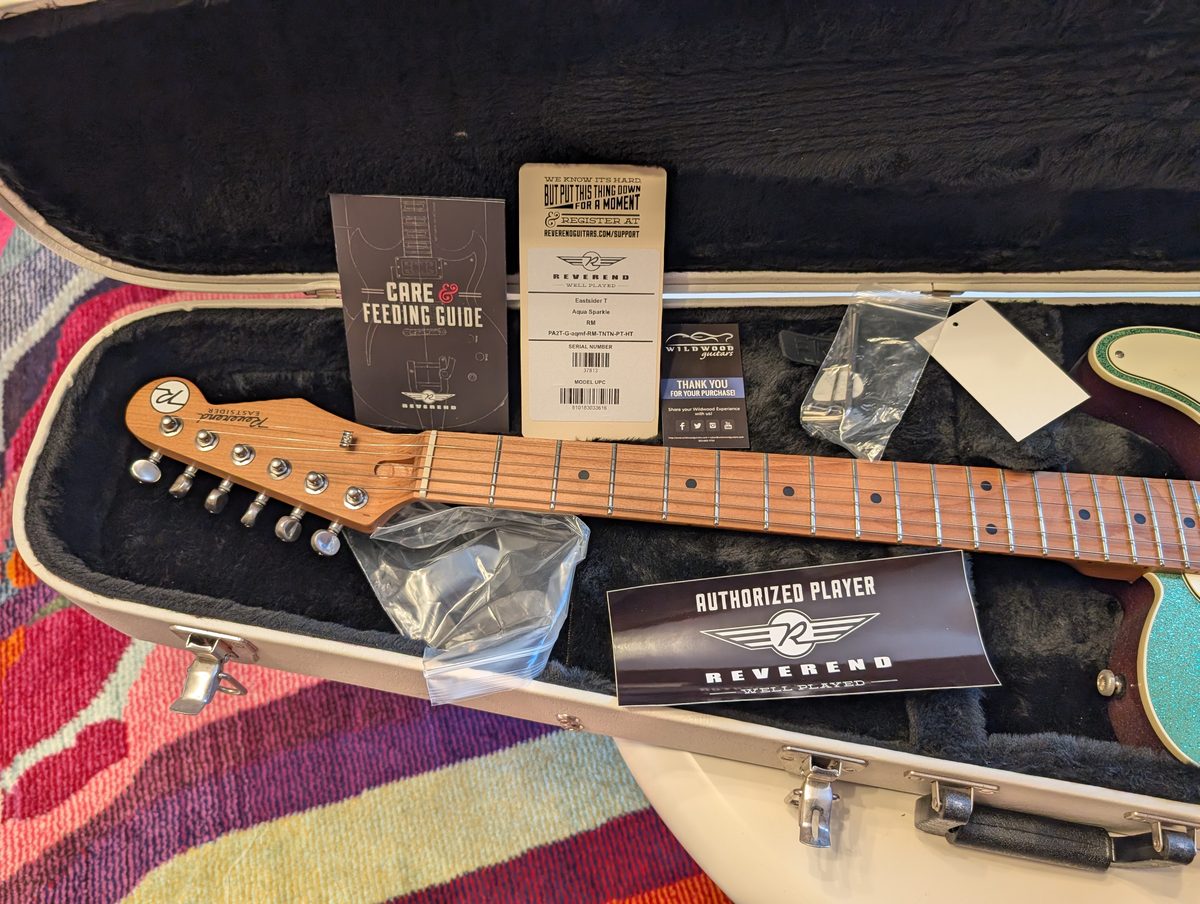
Reverend Eastsider T Review: The Telecaster Fender Doesn't Make
A long-term look at Pete Anderson's Reverend signature: chambered korina, roasted maple, and Talnico pickups in a T-style that fixes the Tele's few honest flaws.
-

Fender Brad Paisley Telecaster Review: Paulownia, a Spruce Cap, and a Second Purchase
Owned and gigged, bought a second one on purpose. What the paulownia body and spruce cap actually do, what the pickups get right, and the one thing that still bugs me.