
Fender Player II vs Player Plus: What the Extra Money Actually Buys
Player Plus gets you hotter pickups, locking tuners, and a rolled fingerboard edge over Player II. Everything else, the neck profile, the fingerboard radius, the general build quality, is the same. Whether that’s worth the price jump depends entirely on how you play, not on which one is “better.”
Fender doesn’t sell these as a beginner tier and an upgrade tier. Player II and Player Plus are parallel lines that both stay in production, aimed at slightly different buyers. Player Plus didn’t replace anything. It sits above Player II in price and has stayed there.
What actually changes
Three things, and they’re all real, not marketing filler.
Pickups. Player Plus uses a hotter voicing across the board, more output, a more compressed and aggressive character. Player II’s pickups are tuned closer to a classic, lower-output single-coil or humbucker sound depending on the model. Neither is objectively correct. It’s a tonal choice, and it’s worth actually hearing both before assuming louder means better. A hot pickup gets you more push into an amp’s front end, not automatically more tone.
Locking tuners. This is the upgrade that matters most to a specific kind of player. If you change strings mid-set, play with a Bigsby or floating trem, or just hate fighting tuning stability, locking tuners solve a real problem. If you change strings between gigs like a normal person, you’ll never notice they’re gone.
Rolled fingerboard edge. Fender rolls the edges of the fingerboard on Player Plus necks so they feel broken in out of the box, less sharp under the fretting hand, closer to how a well-worn vintage neck feels after years of play. It’s a small thing. Some players feel it immediately. Others never notice.
What doesn’t change: the neck shape (modern C on both), the fingerboard radius (both flattened for comfortable bending and lower action), the body woods and construction. You’re not getting a fundamentally different instrument. You’re getting the same instrument with three specific features layered on top.
Who actually needs Player Plus
Gigging players who change strings on stage or between sets, and want locking tuners specifically for that reason. Players who’ve spent time with both pickup voicings and genuinely prefer the hotter, more aggressive Player Plus sound, not because it’s louder, but because it’s the tone they’re chasing. Players who like the rolled edge feel and can tell the difference in hand.
That’s a real list, but it’s a specific list. It’s not “everyone who can afford it.”
Who’s fine with Player II
Most people. If you’re not sure whether you need locking tuners, you don’t need locking tuners yet. If you haven’t played through both pickup sets back to back, don’t assume you’ll prefer the hotter one, plenty of players plug into Player Plus expecting to love it and find it more compressed and less touch-sensitive than they wanted.
Player II is also the better base if you already know you’re going to swap pickups down the line. No sense paying for Player Plus’s hotter stock pickups if they’re getting pulled out in six months anyway. Put that money toward the pickups you actually want and start with the cheaper platform.
The honest version of “is it worth it”
The price gap between these two tiers is real money, and Fender is banking on players assuming Plus means categorically better. It doesn’t. It means three specific features that solve specific problems. If none of those problems are yours, you’re paying for solutions you don’t need.
If you’re weighing this against the rest of the Player lineup, or want the full spec breakdown on Player II specifically, those are covered in more detail on the Player II page and the full Fender lineup guide. Between the two tiers here, the honest advice is to figure out whether you actually need locking tuners and a hotter pickup voicing before you pay for them.
Keep reading
-
Acoustic or Electric First? Pick the One You'll Actually Practice
The honest answer to the most common beginner guitar question, including the finger-pain myth, the real costs of each path, and the one factor that predicts who keeps playing.
-
Buying a Guitar Online Without Playing It First: How to Not Get Burned
Reverb, marketplace, and retailer tactics from someone who's bought and sold online for years: what photos to demand, what questions filter sellers, and when to walk.
-
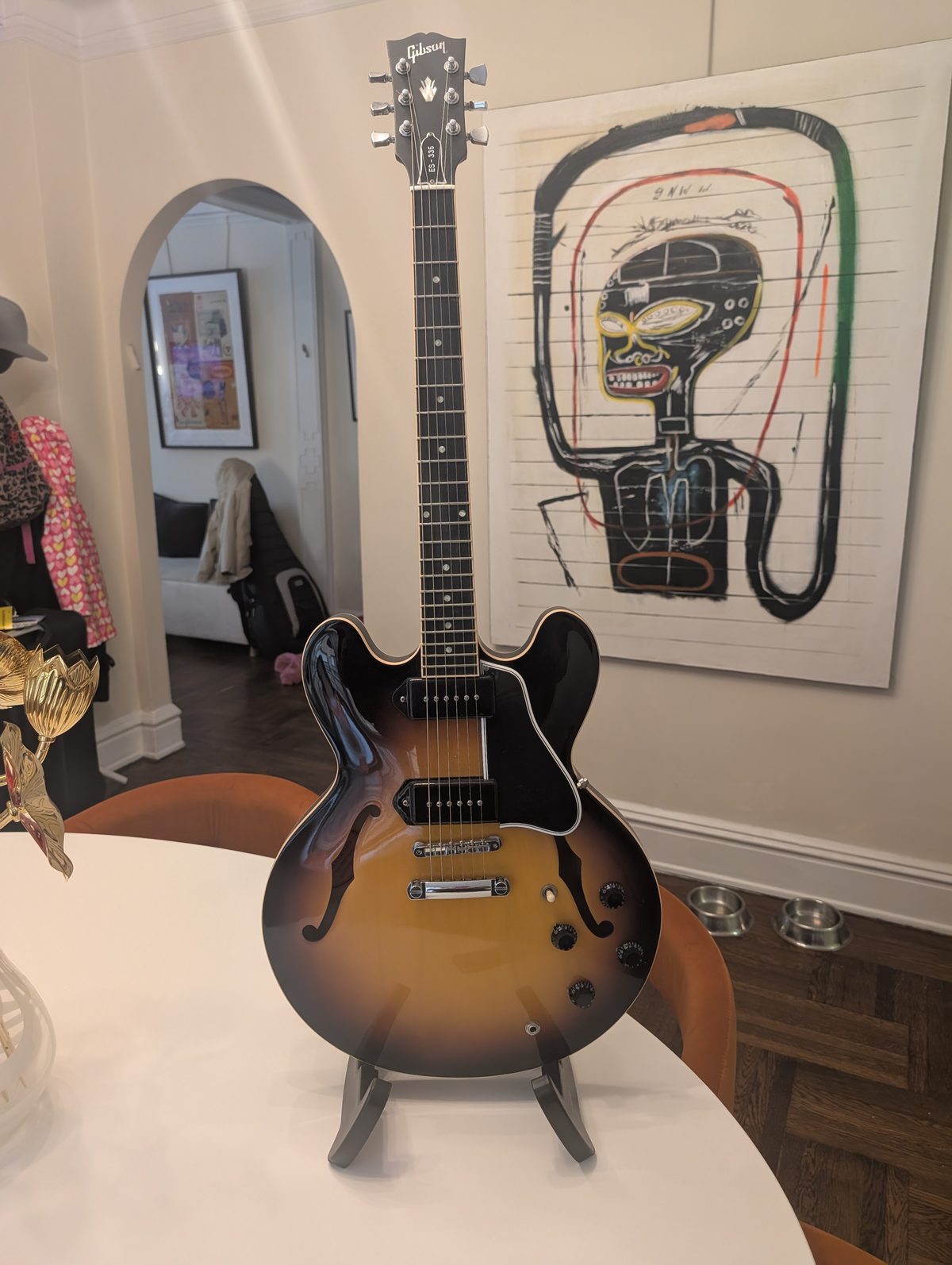
Gibson ES-335 with P-90s: The Rare One, Reviewed After Years of Ownership
A long-term review of the Custom Shop ES-335 with factory dogear P-90s: what the rare pickup swap does to the most famous semi-hollow ever made.