
Squier Affinity Series: The Real Step Up From Sonic
The gap between a Squier Sonic and a Squier Affinity is small in dollars, usually $50 to $80, and larger than that gap suggests in almost everything else. Affinity is Squier’s long-running mid-entry line, and it’s the tier most people actually picture when they think “beginner Fender-family guitar.”
What the extra money buys
Affinity guitars typically run $200 to $280 street, and the increase over Sonic goes toward fit and finish rather than any single flashy spec. Body construction still leans budget-friendly (poplar or similar), but the finish work is more consistent, hardware feels less loose out of the box, and Affinity necks generally arrive with better factory setups than Sonics do, meaning less immediate work to make the guitar playable. Pickups are still ceramic and ultimately mid-fi, but there’s more visible attention paid to model-accurate wiring and control layouts, so an Affinity Strat behaves like a small Strat rather than a generic three-single-coil guitar wearing a Strat body. It’s a subtler jump than Sonic-to-Classic-Vibe, and that’s the honest way to describe it: consistency, not tone.
Notable models in the line
The Affinity Stratocaster and Affinity Telecaster are the backbone of the series and cover the widest range of finishes and configurations, including HSS Strat variants for players who want a bridge humbucker without leaving the tier. The Affinity Jazzmaster is worth a mention too, it’s one of the few genuinely inexpensive ways to try the offset body shape and its distinctive switching before committing real money to find out if the shape suits you. There’s also an Affinity Precision Bass and Jazz Bass for anyone shopping this tier on the bass side, built to the same fit-and-finish standard as the guitars.
Who should buy it, and who shouldn’t stop here
Affinity is the right call for a committed beginner, someone who’s already had a few lessons and knows guitar is sticking, or as a gift where you want the recipient to open the case and feel like they got something real rather than a toy. It’s also a sensible choice for a second household guitar, one that lives at a practice space or a parent’s house, where you want something dependable without spending Classic Vibe money twice.
It’s the wrong stopping point for anyone with real intentions of gigging, recording, or developing a serious ear for tone. The pickups and hardware are still built to a budget, and a player who’s outgrown Sonic-level questions (“does this feel okay”) and moved into Classic-Vibe-level questions (“does this sound good”) is better served skipping Affinity entirely and saving toward Classic Vibe, which is a genuinely different class of instrument rather than a nicer version of the same one.
The honest caveat
Affinity guitars vary more unit to unit than higher tiers do, quality control is real but not tight, so two Affinity Strats off the same rack can play noticeably differently. Play before you buy if you can, or buy from a retailer with an easy return policy if you’re ordering online. It’s also worth knowing that Affinity resale value is soft; this is a tier people buy new for a specific short-term purpose, not a tier the used market prizes.
For where Affinity sits against the rest of Fender’s ladder, from Sonic up through Custom Shop, see the full Fender lineup guide.
Keep reading
-
Acoustic or Electric First? Pick the One You'll Actually Practice
The honest answer to the most common beginner guitar question, including the finger-pain myth, the real costs of each path, and the one factor that predicts who keeps playing.
-
Buying a Guitar Online Without Playing It First: How to Not Get Burned
Reverb, marketplace, and retailer tactics from someone who's bought and sold online for years: what photos to demand, what questions filter sellers, and when to walk.
-
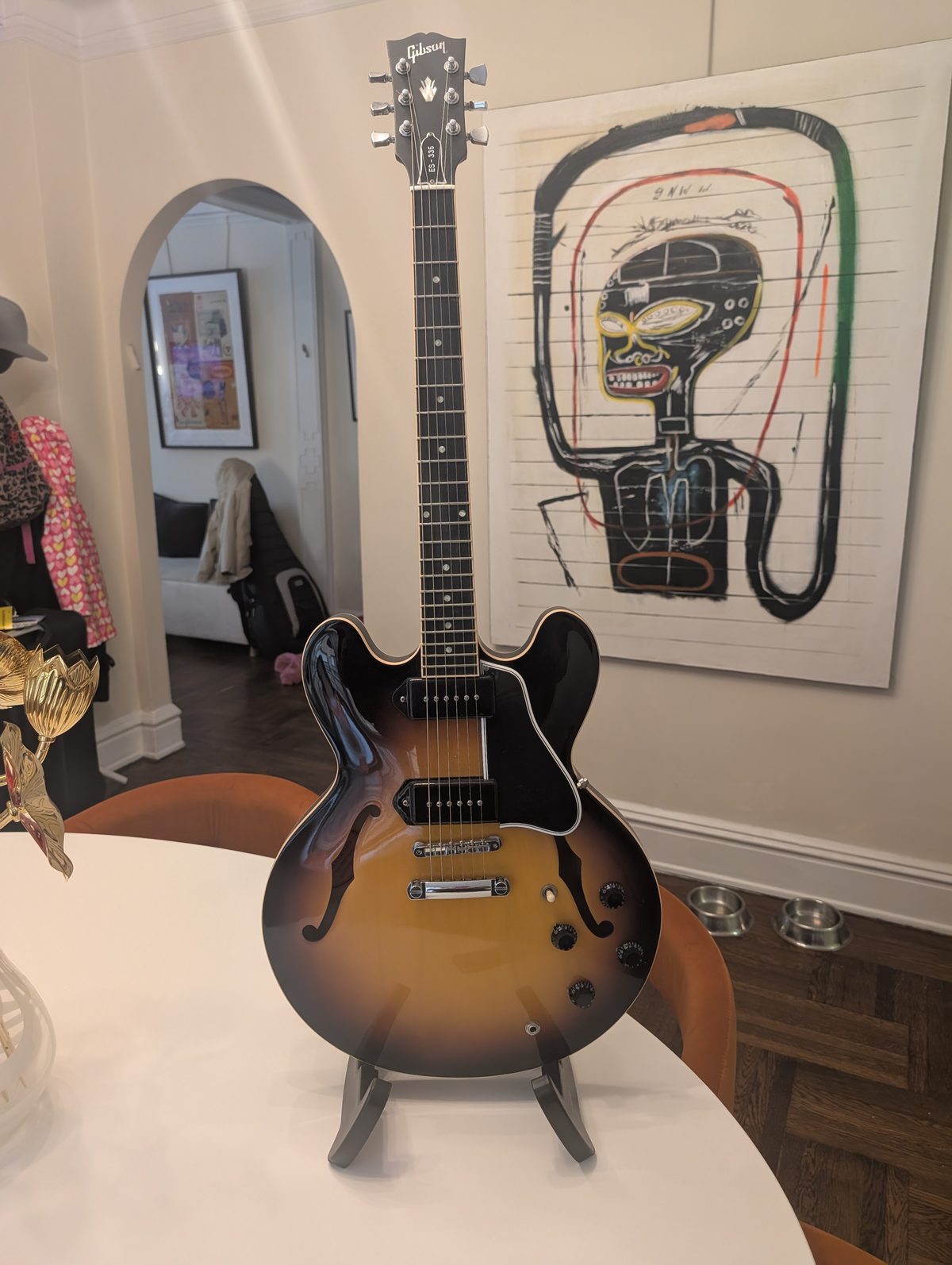
Gibson ES-335 with P-90s: The Rare One, Reviewed After Years of Ownership
A long-term review of the Custom Shop ES-335 with factory dogear P-90s: what the rare pickup swap does to the most famous semi-hollow ever made.