
Gibson USA Original Collection: The Classic Recipe, Built New

This is where “Gibson” stops being a badge on someone else’s factory guitar and starts being the actual Nashville-built article. Original Collection is the standard-bearer line: Les Paul Standard, SG Standard, ES-335, and the rest of the core catalog, built to the vintage-correct recipe rather than a modernized reinterpretation of it. If you picture a Gibson in your head without any qualifiers, you’re picturing something from this tier.
What street price buys in 2026
Expect roughly $1,800 to $2,600 depending on model, with Les Pauls and semi-hollows at the upper end of that range and SGs typically landing lower. That’s a real jump from Epiphone’s Inspired by Gibson line, which now shares a lot of the same design DNA at less than half the cost, and understanding what that extra money actually buys is the whole point of this page.
What’s different at this tier
The wood sourcing and grading is the first real gap: Nashville selects and grades mahogany and maple to tighter tolerances than Epiphone’s overseas production, and it shows up in consistency guitar to guitar, not just in any one exceptional example. Nitrocellulose lacquer is standard across this line rather than an upcharge or a thinner hybrid finish, which changes how the guitar ages and, modestly, how it resonates. Pickups are Gibson’s own USA-wound units (Burstbucker variants, 60s-style humbuckers, or P-90 Soapbars depending on model) rather than Epiphone’s licensed designs, and hardware is a step up across the board: real Kluson-style or Grover tuners, properly cut ABR-1 or Nashville tune-o-matic bridges, actual bone or Corian nuts cut by hand rather than machine-finished. None of this is exotic. It’s the accumulation of a dozen small manufacturing decisions, each one modest, that add up to noticeably tighter fretwork, more consistent neck carves, and fewer setup surprises out of the case.
Notable models in this tier
The Les Paul Standard ’50s and ’60s split the difference on neck feel: the ’50s version wears a fuller, rounder carve true to the earliest Bursts, while the ’60s version runs a slimmer profile closer to what most players expect from a “normal” electric neck. The SG Standard ‘61 revives the original horned double-cut shape before later reissues thickened the neck joint, and it’s the lightest, most gig-friendly solid body Gibson makes at this price. The ES-335 carries the semi-hollow construction, laminated maple body with a solid center block, that made the model famous, and it’s worth reading the pickup breakdown if you’re trying to decide between a humbucker 335 and something less common like a P-90 version.
Who this is actually for
This tier is for the player who wants the real Gibson name, the vintage-correct feel and tone, and is willing to pay for it without needing Custom Shop-level historical accuracy or a five-figure commitment. If you play blues, classic rock, roots music, or anything where a Gibson’s specific midrange growl matters to your sound, this is the sensible entry point into owning one. It’s a worse purchase for a player chasing modern ergonomics: slim necks, coil-splitting, extended upper-fret access. Buying Original Collection for those features means fighting the guitar’s actual design intent, and the Modern Collection exists specifically to solve that instead.
The honest caveat
Vintage-spec means vintage quirks, on purpose. Rounder necks can feel like a step backward if you learned on a modern superstrat. Nitro finishes chip and check more easily than the poly and hybrid finishes below this tier, which some players romanticize and others find genuinely annoying on a guitar they’re paying real money for. And weight is still weight: a solid Les Paul at this tier is not a light instrument, and no amount of finish quality changes that.
For where this tier sits against everything else Gibson and Epiphone make, see the full Gibson and Epiphone lineup guide.
Keep reading
-

Acoustic or Electric First? Pick the One You'll Actually Practice
The honest answer to the most common beginner guitar question, including the finger-pain myth, the real costs of each path, and the one factor that predicts who keeps playing.
-

Buying a Guitar Online Without Playing It First: How to Not Get Burned
Reverb, marketplace, and retailer tactics from someone who's bought and sold online for years: what photos to demand, what questions filter sellers, and when to walk.
-
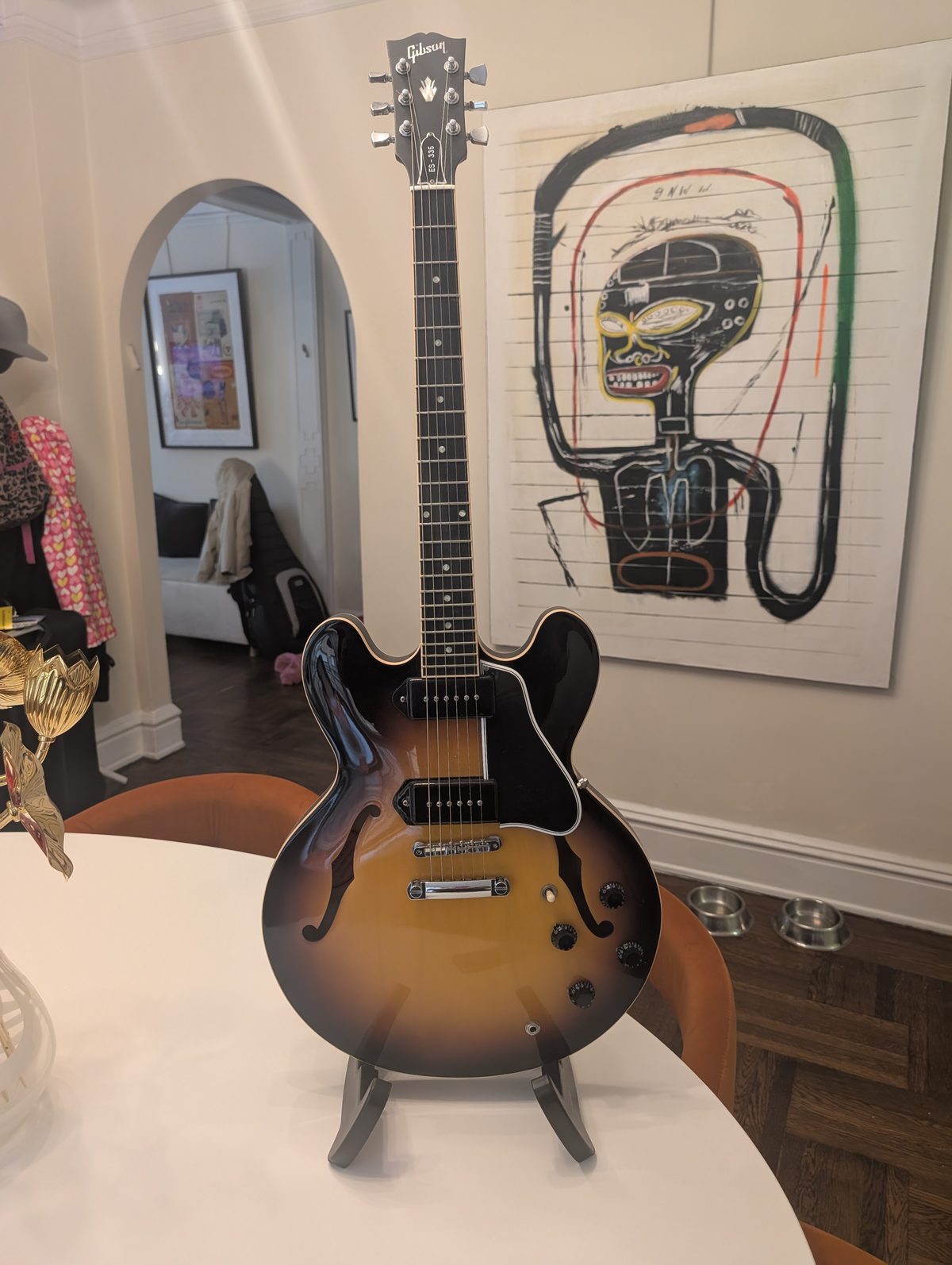
Gibson ES-335 with P-90s: The Rare One, Reviewed After Years of Ownership
A long-term review of the Custom Shop ES-335 with factory dogear P-90s: what the rare pickup swap does to the most famous semi-hollow ever made.