
Squier Affinity vs Squier Sonic: The Two Cheapest Fenders, Compared
Affinity has a bit more hardware and finish polish and a longer track record as the standard first guitar. Sonic is newer, built to an even tighter price point, and aimed squarely at someone who isn’t sure yet if they’re going to stick with it.
Both are Squier, both are Fender’s budget brand, and both sit at the very bottom of the lineup. The gap between them and everything above is bigger than the gap between the two of them. This comparison is really about picking the right entry point, not choosing between two meaningfully different instruments.
What actually differs
Hardware and finish options. Affinity generally gets slightly better hardware, tuners, bridge components, and offers more finish and color choices. Sonic’s hardware is built to hit a lower price point and the finish selection is narrower. Neither is going to feel like a premium instrument, that’s not the category. But Affinity edges out Sonic in the details.
Track record. Affinity has been around longer and has been the default “first real guitar” recommendation for years. That history means more of them in circulation, more familiarity among teachers and shops, and a slightly more predictable experience model to model. Sonic is newer and was built specifically to undercut Affinity on price for buyers who want the absolute lowest entry cost.
Who each one is built for. Sonic exists for the true first-timer, someone who wants to find out if guitar is going to stick before spending more than they have to. Affinity is aimed at a buyer who’s a little more committed already, taking lessons, has decided this isn’t a maybe, and wants a slightly nicer instrument to start on without jumping all the way up to a Player-tier Fender.
How to actually pick
If you or your kid have never played and genuinely don’t know if this sticks, Sonic is the more sensible starting point. It’s not about the guitar being worse, it’s about not overspending on an instrument that might sit in a closet in four months. Get the cheapest thing that’s set up properly and playable, and reassess in six months once there’s real practice time behind it.
If there’s already some commitment, lessons booked, a decision that this is happening, Affinity is worth the small step up. Slightly better hardware means slightly fewer tuning headaches early on, which matters more for a beginner than it sounds like it should. Nothing kills momentum for a new player faster than a guitar that won’t stay in tune.
Don’t overthink this one. The difference between Affinity and Sonic is real but small. The difference between either of them and quitting because the guitar was unpleasant to play, out of tune, or set up badly out of the box, is much bigger. Whichever one you buy, get it set up properly, or make sure the shop already did.
One more option worth mentioning
A used step-up guitar, something a tier or two above either Squier, bought secondhand, sometimes costs about the same as a new Sonic or Affinity and gets you a genuinely better instrument. It takes more legwork, checking condition, knowing what to look for, dealing with a private seller or a used rack instead of a box off the shelf. If that sounds worth the effort, the used electric guitar checklist walks through what to check before buying.
For the deeper spec breakdowns on each tier, see the dedicated Squier Affinity and Squier Sonic pages, and the Fender lineup guide for how these fit into the rest of the catalog above them.
Keep reading
-
Acoustic or Electric First? Pick the One You'll Actually Practice
The honest answer to the most common beginner guitar question, including the finger-pain myth, the real costs of each path, and the one factor that predicts who keeps playing.
-
Buying a Guitar Online Without Playing It First: How to Not Get Burned
Reverb, marketplace, and retailer tactics from someone who's bought and sold online for years: what photos to demand, what questions filter sellers, and when to walk.
-
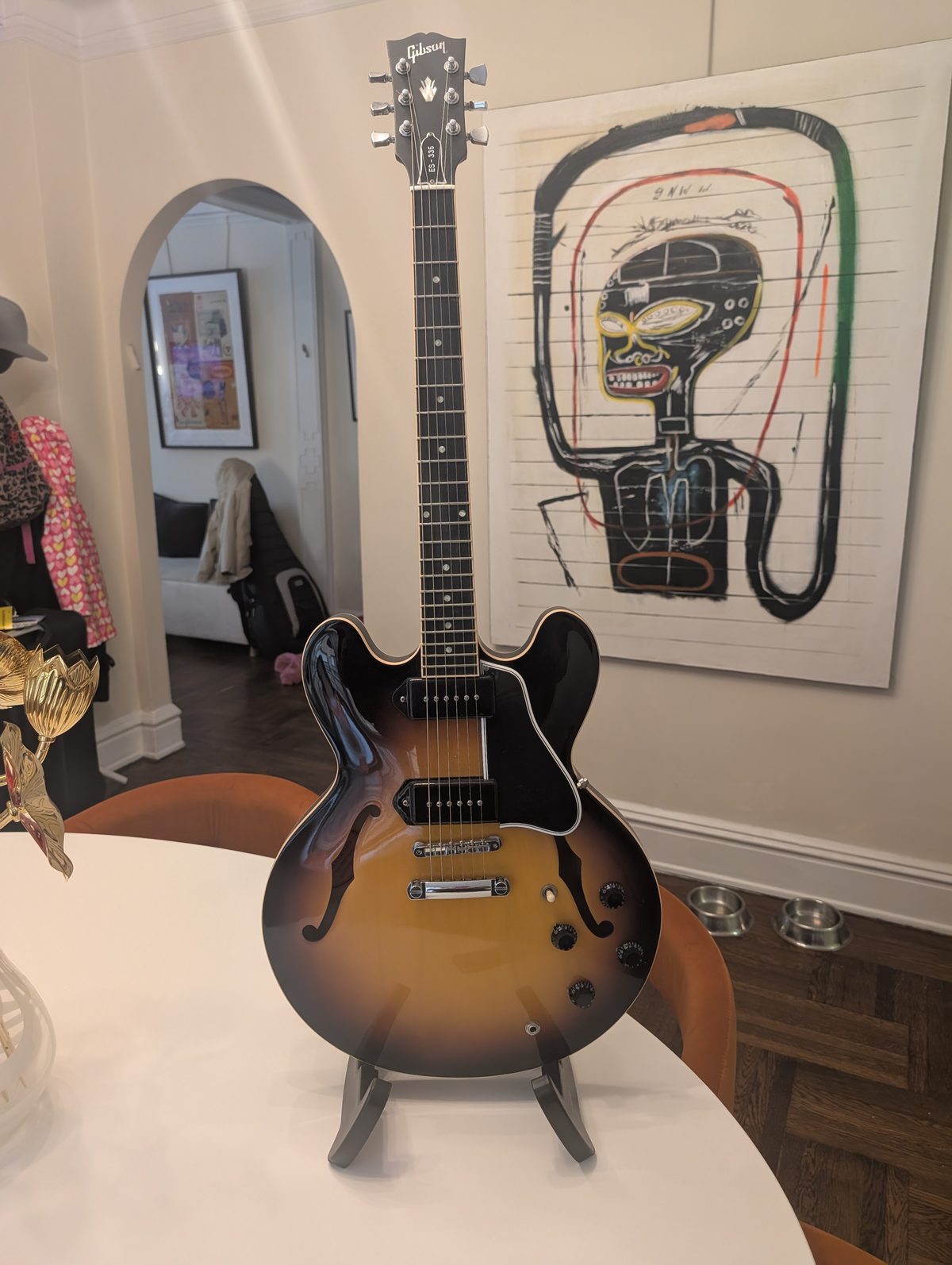
Gibson ES-335 with P-90s: The Rare One, Reviewed After Years of Ownership
A long-term review of the Custom Shop ES-335 with factory dogear P-90s: what the rare pickup swap does to the most famous semi-hollow ever made.